製品知識

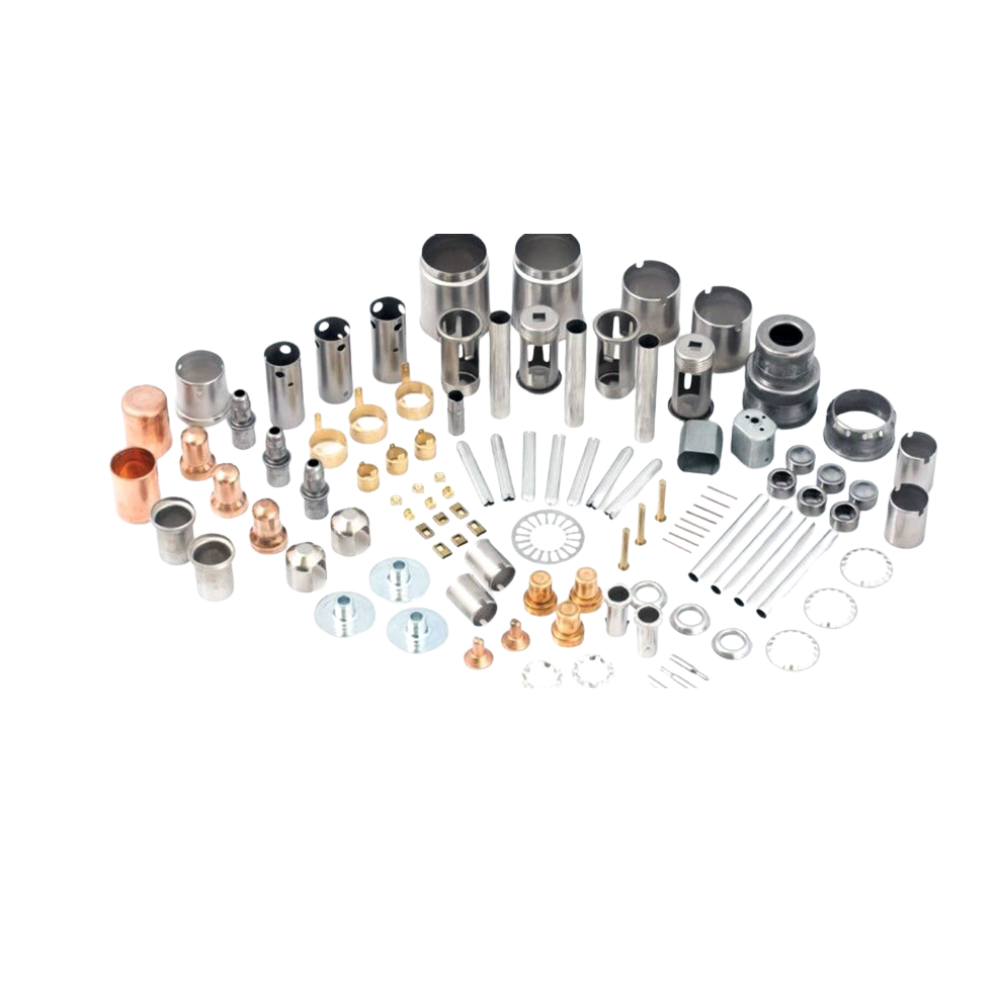
高精度機械部品の公差と表面処理技術

High-precision mechanical components form the backbone of modern industrial equipment, ranging from robotic systems and machine tools to pumps, compressors, and aerospace machinery. The performance, reliability, and longevity of these components heavily depend on two critical engineering aspects: dimensional tolerances and surface treatment techniques. Properly controlled tolerances ensure precise assembly and motion, while optimized surface treatments reduce friction, wear, and corrosion, ultimately enhancing component life and system efficiency. The Importance of Dimensional Tolerance Dimensional tolerance defines the permissible deviation from the nominal dimension of a component. In high-precision parts, tight tolerances are essential for several reasons: Tolerance levels vary depending on application requirements. For example, aerospace components may require tolerances […]

高精度機械部品の公差と表面処理技術 続きを読む »

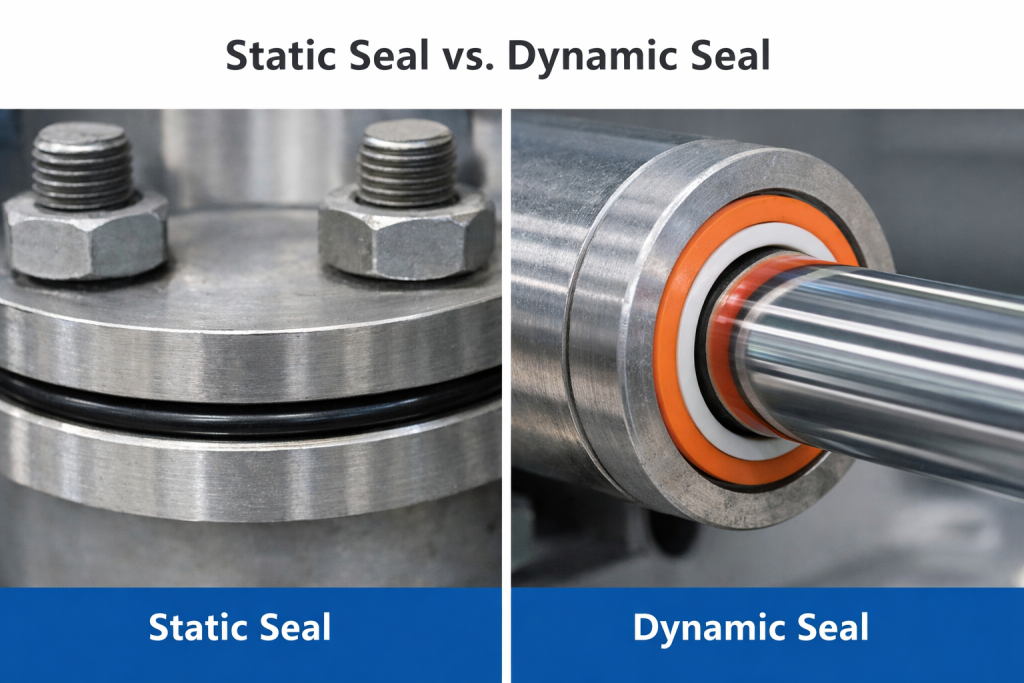
静的シールと動的シールの違い:エンジニアリングの観点から

Sealing technology is fundamental to modern mechanical systems. From hydraulic cylinders and pumps to aerospace actuators, chemical reactors, and precision instruments, seals determine whether equipment operates reliably, efficiently, and safely. Among all sealing solutions, static seals and dynamic seals represent two major categories with fundamentally different design principles, working conditions, and failure mechanisms. Understanding their differences is critical for engineers, procurement specialists, and maintenance teams involved in component selection and system design. 1. What Are Static Seals? A static seal is designed to prevent fluid leakage between two stationary mating surfaces. In this case, there is no relative motion between the sealed components during normal operation. The sealing effect is

静的シールと動的シールの違い:エンジニアリングの観点から 続きを読む »

ダイナミックシールとスタティックシール:基本的な違いと工学的選択の論理

Seals are critical components in industrial machinery, chemical processing, hydraulic systems, and aerospace applications. Despite their ubiquity, engineers often misunderstand the fundamental differences between dynamic seals and static seals, leading to suboptimal performance, premature failure, or unnecessary costs. Understanding these differences is essential for rational material selection, geometry design, and long-term reliability planning. This article examines the physical principles, functional distinctions, and engineering logic behind selecting the right seal type for specific applications. Defining dynamic and static seals Dynamic seals are designed to maintain a leak-tight interface between surfaces that are in relative motion. Examples include: Dynamic seals must accommodate friction, wear, and pressure fluctuations while maintaining a continuous seal

ダイナミックシールとスタティックシール:基本的な違いと工学的選択の論理 続きを読む »

表面コーティング(DLC、PTFE、セラミック)とシール寿命への影響

Seals are critical components in industrial systems, yet their service life is often limited not by bulk material failure, but by surface degradation. Friction, wear, chemical attack, and surface fatigue typically initiate at the interface between the seal and its mating surface. In response to this challenge, surface engineering—particularly functional coatings such as diamond-like carbon (DLC), PTFE-based films, and advanced ceramic coatings—has emerged as a powerful strategy to extend seal durability, reduce maintenance costs, and enhance system reliability. This article explores how these coatings work, why they are effective, and how engineers can select the right surface treatment to maximize sealing performance in demanding environments. Why surface coatings matter more

表面コーティング(DLC、PTFE、セラミック)とシール寿命への影響 続きを読む »

セラミックベアリングとメタルベアリングの性能比較

Bearings are critical components in virtually all mechanical systems, facilitating smooth rotational or linear motion while supporting loads and reducing friction. The choice of bearing material significantly affects performance, reliability, and service life. Traditional metal bearings have dominated industry for decades, but ceramic bearings are increasingly gaining attention in high-performance, high-speed, and harsh-environment applications. This article provides a detailed comparison between ceramic and metal bearings, focusing on mechanical performance, wear resistance, thermal behavior, and industrial applicability. 1. Material Properties and Composition Metal bearings are typically made of high-carbon chromium steel (e.g., AISI 52100) or stainless steel. These materials offer high load-carrying capacity, toughness, and machinability. Steel bearings are relatively ductile,

セラミックベアリングとメタルベアリングの性能比較 続きを読む »

産業機器用カスタムシャフトとギア設計の最適化

Shafts and gears are fundamental components in industrial machinery, playing a critical role in power transmission, motion control, and mechanical efficiency. Poorly designed or improperly specified shafts and gears can lead to premature wear, mechanical failure, and costly downtime. Optimizing their design is particularly important when components are custom-made to meet specific industrial requirements. This article explores the key considerations, methodologies, and best practices for designing custom shafts and gears that maximize performance, reliability, and service life. 1. Understanding Operational Requirements The foundation of any custom shaft or gear design is a thorough understanding of the operational requirements. Key parameters include: Defining these factors allows engineers to select appropriate materials,

産業機器用カスタムシャフトとギア設計の最適化 続きを読む »

産業用カスタム部品の技術要件を指定する方法

Custom industrial components are essential for specialized machinery, high-performance equipment, and applications where standard parts cannot meet operational demands. Properly defining technical requirements is critical to ensure that the custom parts achieve the desired performance, durability, and reliability. Failure to specify requirements accurately can lead to operational inefficiencies, early wear, or complete component failure. This article provides a systematic approach to defining technical requirements for custom industrial components. 1. Understanding the Application and Operating Conditions The first step in specifying technical requirements is a thorough understanding of the component’s intended application. Key questions include: By analyzing the application, engineers can define critical performance parameters such as load capacity, fatigue resistance,

産業用カスタム部品の技術要件を指定する方法 続きを読む »

産業機械部品の摩耗メカニズムの解析

Wear of industrial machinery components is a critical factor affecting the efficiency, reliability, and service life of equipment. Understanding the mechanisms that cause wear is essential for engineers and maintenance personnel to implement effective preventive measures and optimize machine performance. Machinery components such as gears, bearings, shafts, seals, and cutting tools are all subject to various wear processes depending on operating conditions, materials, and environmental factors. 1. Abrasive Wear Abrasive wear occurs when hard particles or asperities on contact surfaces remove material from a component. It is one of the most common wear mechanisms in industrial machinery, often caused by dust, dirt, metal filings, or other contaminants in lubricants or

産業機械部品の摩耗メカニズムの解析 続きを読む »

ワイヤーロープの故障を理解する:5つの主な原因と予防策

Wire ropes are essential components in a wide range of industrial applications, including cranes, elevators, mining equipment, marine operations, and construction machinery. Their reliability is critical, as failure can lead to equipment downtime, financial loss, and, in severe cases, safety hazards. Understanding why wire ropes fail and how to prevent these failures is essential for engineers, maintenance personnel, and operators. This article explores the five most common causes of wire rope failure and provides practical strategies to mitigate these risks. 1. Abrasion and Wear One of the most frequent causes of wire rope failure is abrasion between individual wires or between the rope and sheaves, drums, or guides. Over time,

ワイヤーロープの故障を理解する:5つの主な原因と予防策 続きを読む »

産業用ワイヤーロープの安全性と耐用年数の評価方法

Industrial wire ropes are essential components in material handling, lifting, and hoisting equipment. They are designed to withstand dynamic loads, torsion, and environmental stress while ensuring operator safety and operational reliability. Evaluating the safety and service life of wire ropes is critical to prevent accidents, reduce maintenance costs, and maximize equipment efficiency. This article provides a structured framework for assessing wire rope performance, lifespan, and risk factors based on engineering principles and real-world operating conditions. 1. Understanding Wire Rope Construction Wire ropes are composed of multiple strands of metal wires twisted around a core. The main types include: The construction determines mechanical properties, flexibility, wear resistance, and load-bearing capacity. For

産業用ワイヤーロープの安全性と耐用年数の評価方法 続きを読む »

jaJapanese