アプリケーション&ソリューション

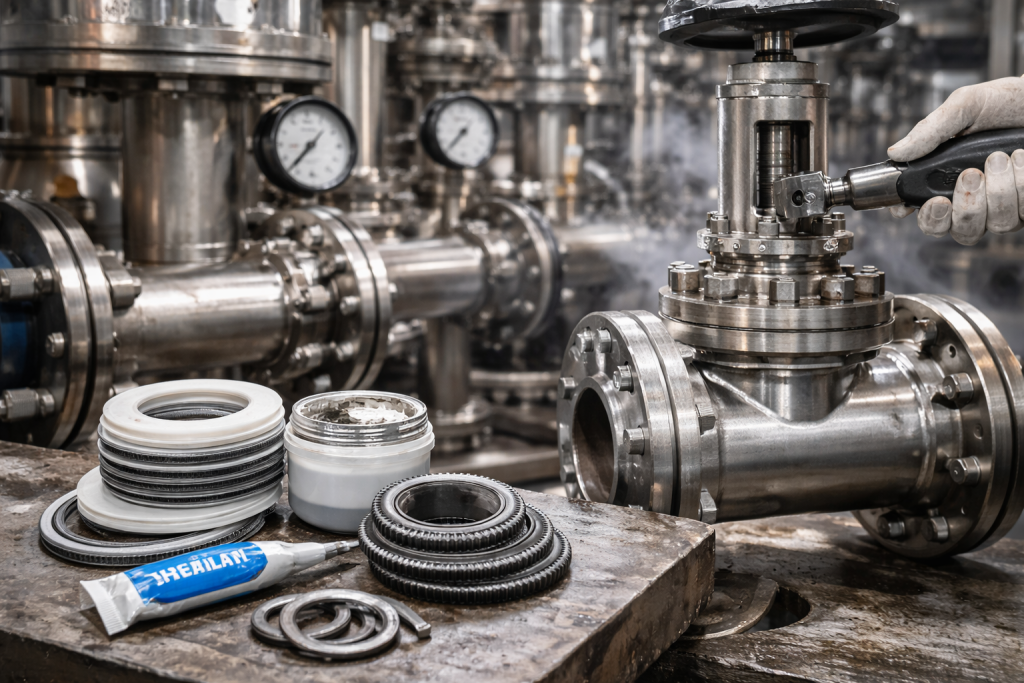
高圧バルブシステムの漏れを防ぐ方法

High-pressure valves are critical components in chemical, oil & gas, power generation, and process industries. Leakage in these systems can result in safety hazards, environmental contamination, operational inefficiency, and costly downtime. Proper design, material selection, installation, and maintenance practices are essential to ensure leak-free operation. This guide outlines practical strategies to prevent leakage in high-pressure valve systems, drawing on industry standards, field experience, and engineering best practices. 1. Understanding the Causes of Valve Leakage Leakage in high-pressure valves can be categorized into: Common root causes include: By identifying the source, operators can apply targeted mitigation strategies. 2. Proper Material Selection Selecting the right materials for valve components is crucial: Material […]
高圧バルブシステムの漏れを防ぐ方法 続きを読む »

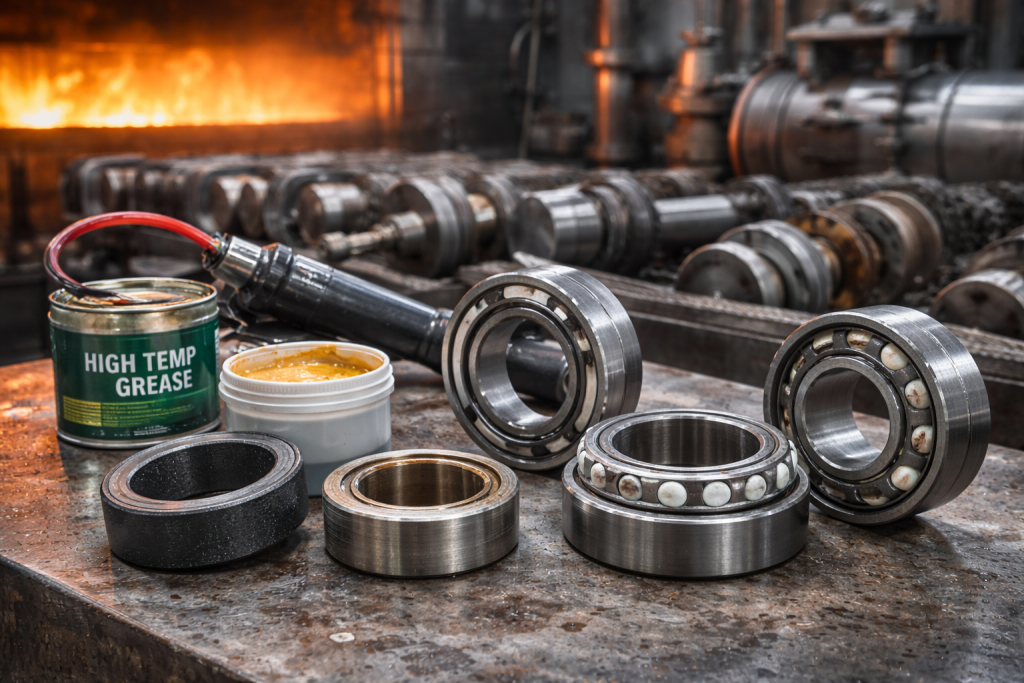
工業炉用高温ベアリング・ソリューション

Industrial furnaces operate under some of the harshest mechanical conditions in manufacturing. Continuous exposure to temperatures ranging from 200°C to over 1000°C, combined with heavy loads, thermal cycling, dust contamination, and oxidation, makes bearing selection a critical reliability factor. This technical guide outlines proven high-temperature bearing solutions, material considerations, lubrication strategies, and installation practices used in steel plants, cement kilns, glass production lines, and heat-treatment systems. 1. Operating Challenges in Furnace Applications Industrial furnaces such as those found in steel reheating lines or rotary kilns impose several combined stresses: In facilities such as ArcelorMittal steel plants or Heidelberg Materials cement operations, bearing failure in furnace conveyor rolls or kiln drives

工業炉用高温ベアリング・ソリューション 続きを読む »

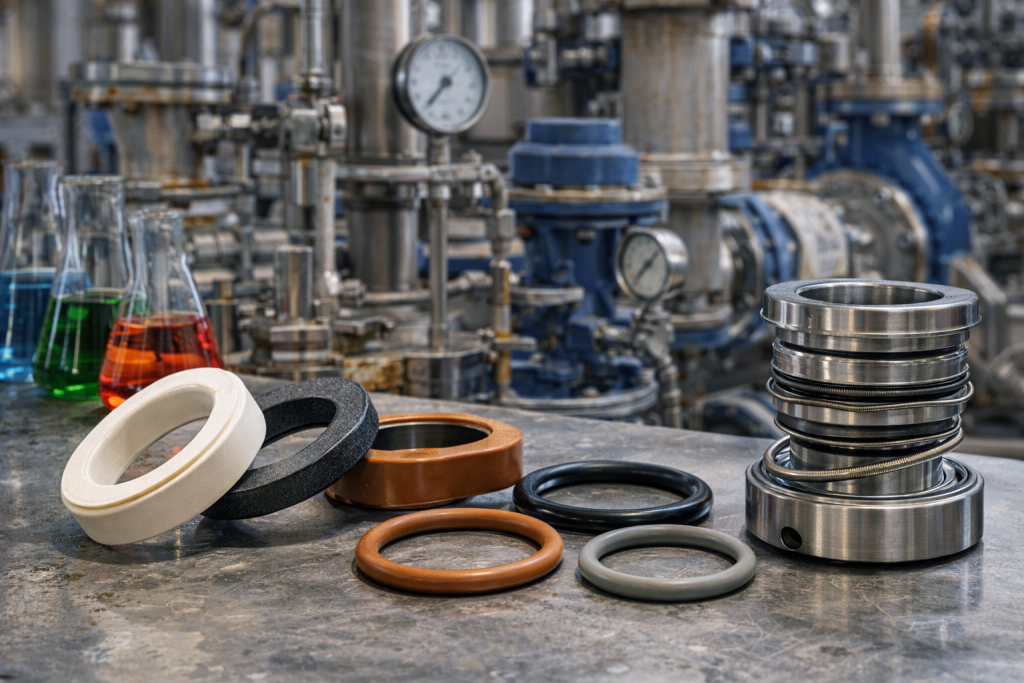
化学処理産業向けシール材選択ガイド

In the chemical processing industry, seal failure is not just a maintenance issue—it can result in hazardous leaks, environmental contamination, unplanned shutdowns, and regulatory penalties. Selecting the correct sealing material requires a systematic evaluation of chemical compatibility, temperature, pressure, and mechanical stress conditions. This guide provides practical, experience-based recommendations to help engineers and procurement specialists choose reliable sealing materials for demanding chemical environments. 1. Why Seal Material Selection Is Critical in Chemical Plants Chemical processing systems operate under: Incorrect seal material selection may lead to: Proper material matching ensures long-term equipment reliability and plant safety. 2. Key Factors in Seal Material Selection 2.1 Chemical Compatibility The primary consideration is resistance

化学処理産業向けシール材選択ガイド 続きを読む »

沿岸地域におけるワイヤロープ腐食保護ソリューション

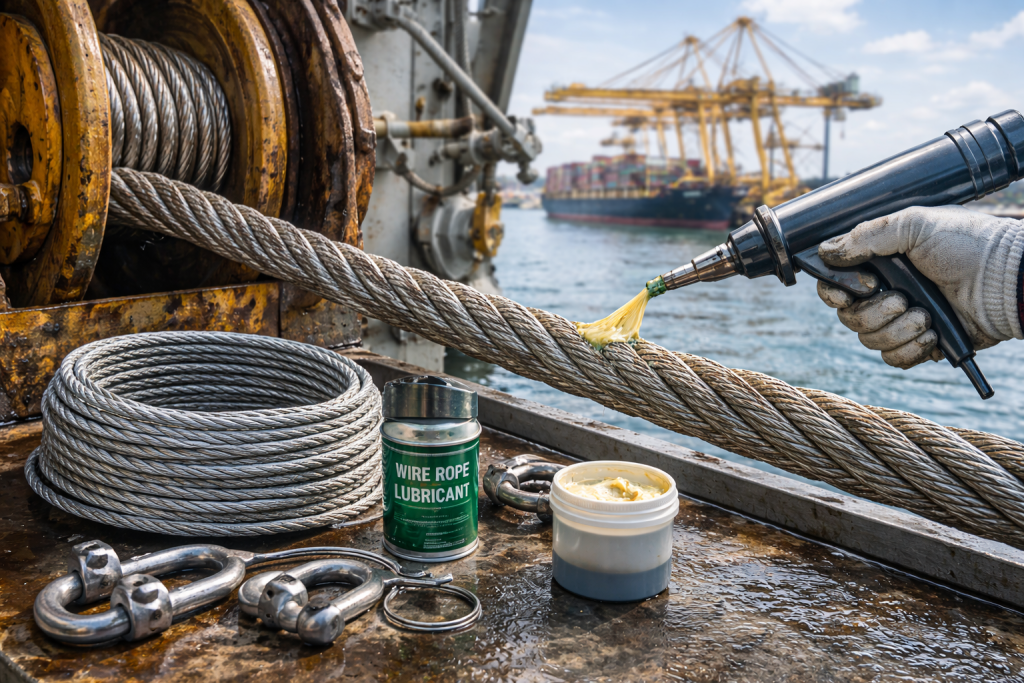
Wire ropes used in coastal and marine environments face some of the harshest operating conditions in industrial applications. High humidity, salt spray, temperature fluctuation, and cyclic loading significantly accelerate corrosion. Without proper protection strategies, corrosion reduces tensile strength, increases fatigue failure risk, and shortens service life. This article outlines practical, field-tested corrosion protection solutions designed for port cranes, offshore lifting systems, and marine infrastructure. 1. Why Coastal Environments Accelerate Corrosion Salt-laden air contains chloride ions that aggressively attack steel surfaces. When combined with moisture and oxygen, this creates an electrochemical reaction leading to: Unlike inland industrial environments, coastal corrosion penetrates not only the outer wires but also the rope core—especially

沿岸地域におけるワイヤロープ腐食保護ソリューション 続きを読む »

シーリングソリューションポンプとバルブの設置とメンテナンスのベストプラクティス

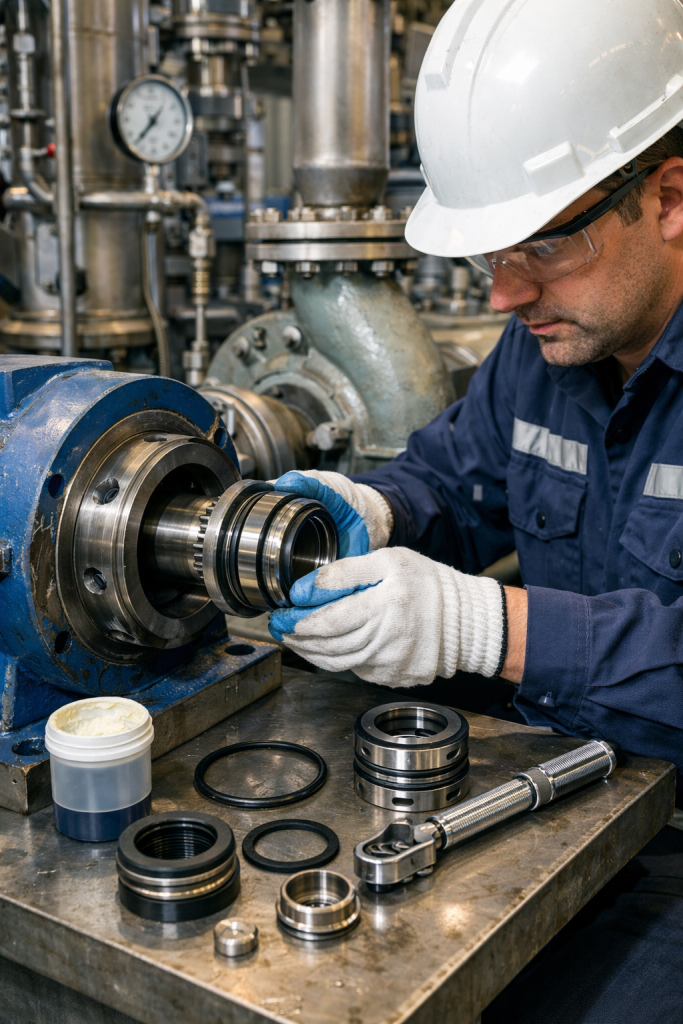
Sealing systems play a critical role in the safe and efficient operation of pumps and valves. Proper installation and regular maintenance of seals not only extend the service life of equipment but also prevent costly downtime, leakage, and safety hazards. This article provides practical guidance for engineers, maintenance technicians, and procurement specialists on sealing best practices, focusing on pumps and valves in industrial applications. 1. Understanding Seal Types and Applications Choosing the right seal is the foundation of long-term reliability. The most common types include: Each seal type has unique chemical and temperature limitations. Selecting materials compatible with the fluid type, operating pressure, and temperature is crucial to avoid premature

シーリングソリューションポンプとバルブの設置とメンテナンスのベストプラクティス 続きを読む »

港湾クレーンにおけるスチールワイヤーロープの用途

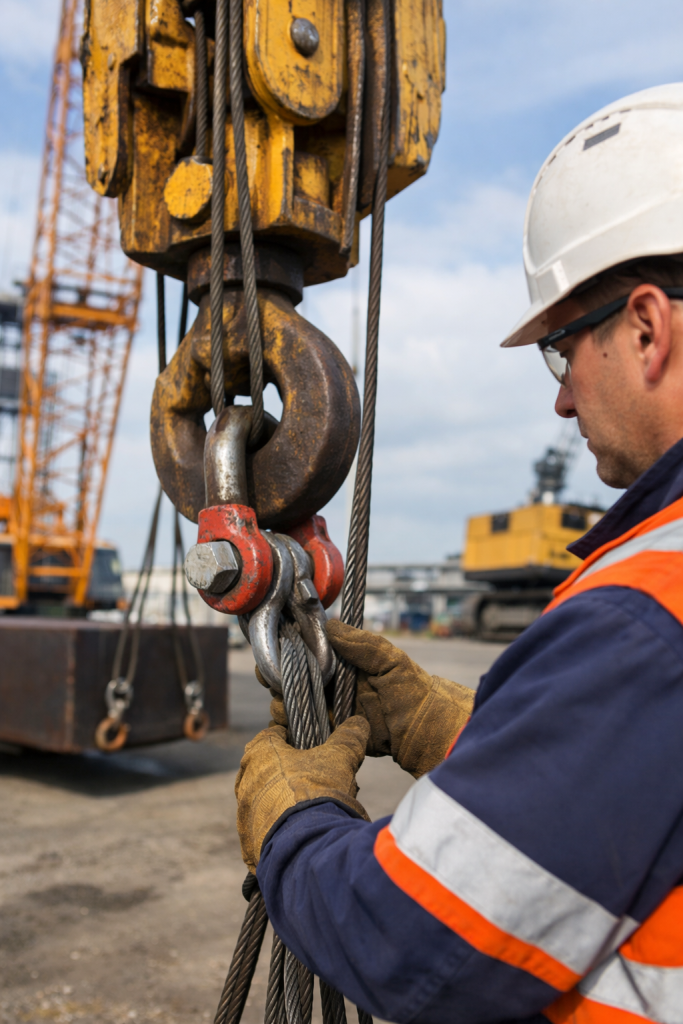
スチールワイヤーロープは、ポートクレーンの運用において不可欠なコンポーネントであり、重い貨物を持ち上げ、移動させ、固定する重要な役割を果たします。港はコンテナ、バルク材料、重機を扱い、信頼性が高く、高強度で柔軟なリフティングソリューションを必要とします。スチールワイヤーロープとクレーンの組み合わせは、運用効率、安全性、長期的な機器の耐久性を確保します。アプリケーション、選定基準、メンテナンス、安全性の考慮事項を理解することは、オペレーター、エンジニア、港湾当局にとって不可欠です。クレーンの種類とワイヤーロープのアプリケーション ポートクレーンには、ガントリークレーン、コンテナクレーン、移動式港湾クレーン、船舶から岸へのクレーンが含まれます。各クレーンタイプは、揚重、トロリー、旋回メカニズムでスチールワイヤーロープを使用します。ホイストロープは貨物を垂直に持ち上げ、トロリー

港湾クレーンにおけるスチールワイヤーロープの用途 続きを読む »

亜鉛メッキ鋼ワイヤロープとステンレス鋼ワイヤロープの選択シナリオ

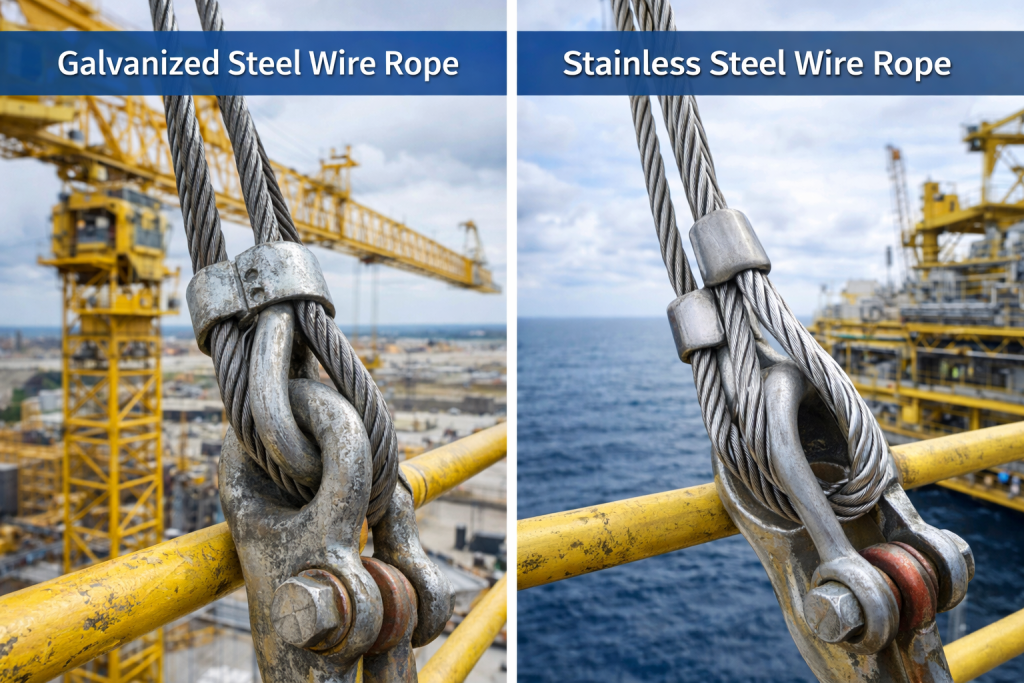
スチールワイヤーロープは、産業用の持ち上げ、揚重、 rigging および海洋アプリケーションにおいて不可欠です。適切な材料の選択は、安全性、耐久性、コスト効率を確保するために重要です。最も一般的に使用される材料の中には、亜鉛メッキスチールワイヤーロープとステンレススチールワイヤーロープがあります。各材料には、特定の運用環境に適した独自の特性があります。これらの違いを理解することで、エンジニアやオペレーターは性能を最適化し、サービス寿命を延ばし、運用リスクを削減できます。亜鉛メッキスチールワイヤーロープ 亜鉛メッキスチールワイヤーロープは、炭素鋼のストランドに亜鉛の層をコーティングすることによって製造されます。このコーティングは中程度の腐食保護レベルを提供し、亜鉛メッキロープは一般的な屋外および産業用に適しています。

亜鉛メッキ鋼ワイヤロープとステンレス鋼ワイヤロープの選択シナリオ 続きを読む »

リフティングおよびホイスト産業におけるワイヤーロープの安全性に関する考察

ワイヤーロープは、持ち上げおよび揚重業界において不可欠なコンポーネントです。その性能は、運用効率、機器の寿命、そして人員の安全に直接影響します。ワイヤーロープの適切な選択、設置、メンテナンス、および検査を理解することは、リスクを最小限に抑え、信頼性のある操作を確保するために重要です。この記事では、ワイヤーロープの構造、材料特性、設置方法、潤滑、および検査技術に焦点を当てた主要な安全考慮事項について説明します。ワイヤーロープの選択と構造 安全な持ち上げ操作を確保するための最初のステップは、適切なワイヤーロープを選択することです。ワイヤーロープは、7×19、6×36、1×19など、さまざまな構造で利用可能です。各構造は、柔軟性、疲労抵抗、摩耗特性の異なるレベルを提供します。たとえば、

リフティングおよびホイスト産業におけるワイヤーロープの安全性に関する考察 続きを読む »

モノシールとパッキンシール:主な違いと用途

Sealing technology is critical in maintaining equipment efficiency, preventing leaks, and ensuring long-term reliability. Among the most commonly used sealing solutions are Mono Seals and Packing Seals. Understanding their differences helps engineers and maintenance professionals select the right seal for their application. 1. Mono Seal A Mono Seal, also known as a single-lip seal, is a compact mechanical seal designed for high-performance sealing in rotating or reciprocating equipment. Key Features: Advantages: Typical Applications: 2. Packing Seal A Packing Seal, also known as gland packing, consists of braided or twisted material compressed into a stuffing box to prevent leakage around shafts or rods. Key Features: Advantages: Typical Applications: 3. Key Differences

モノシールとパッキンシール:主な違いと用途 続きを読む »

重加工工場向け高強度ワイヤロープソリューション

Heavy fabrication plants operate under extreme load conditions, handling oversized steel structures, pressure vessels, bridge components, and industrial modules. In these demanding environments, high-strength wire rope solutions are critical for ensuring lifting safety, load stability, and operational efficiency. Selecting the right wire rope construction, material grade, and maintenance strategy directly impacts productivity and long-term equipment reliability. 1. Operational Demands in Heavy Fabrication Fabrication facilities typically involve: These applications require wire ropes that can withstand high static loads, dynamic shock loading, repetitive bending, and abrasive contact with drums and sheaves. 2. Key Characteristics of High-Strength Wire Rope To perform reliably in fabrication plants, wire ropes must offer: Optimized rope construction improves

重加工工場向け高強度ワイヤロープソリューション 続きを読む »

jaJapanese