アプリケーション&ソリューション

石油掘削・生産設備における高温・高圧シールのエンジニアリング・パスウェイ

Oil and gas drilling and production operations involve some of the most extreme environments encountered in industrial engineering. Drill strings, blowout preventers (BOPs), subsea Christmas trees, and high-pressure valves routinely operate under temperatures exceeding 150°C and pressures surpassing 100 MPa. In these conditions, sealing systems are not mere components—they are critical safety and reliability elements whose performance directly impacts operational continuity, environmental compliance, and personnel safety. Developing seals for high-temperature, high-pressure (HTHP) applications in oil and gas requires a systematic engineering pathway that integrates material selection, structural design, surface engineering, and predictive lifecycle management. Understanding the operating environment HTHP sealing challenges arise from three primary factors: A comprehensive seal design […]

石油掘削・生産設備における高温・高圧シールのエンジニアリング・パスウェイ 続きを読む »

深海機器用耐圧シールの材料と構造の革新

深海環境は、エンジニアリングシステムにとって最も過酷な運用条件の1つを表しています。深さ3,000メートルから6,000メートルでは、水圧が30から60メガパスカルを超えることがあり、低温、腐食性の海水、および限られたメンテナンスアクセスが伴います。この文脈において、シーリングシステムは単なる補助コンポーネントではなく、海底車両、センサー、およびエネルギーインフラが安全かつ信頼性を持って機能できるかどうかを決定するミッションクリティカルなバリアです。表面または浅水アプリケーション向けに開発された従来のシーリングアプローチは、これらの条件にはしばしば不十分です。過去数十年にわたり、極端な圧力、サイクリック荷重、および長期的な曝露に耐えるシールを作成するために、材料科学と構造設計の両方で重要な進展がありました。

深海機器用耐圧シールの材料と構造の革新 続きを読む »

高速ポンプにおけるメカニカルシールとパッキンシールの比較:技術的比較

高速回転機器におけるシーリング技術は、石油化学、発電、水処理、製薬などの産業における信頼性、効率、安全性の重要な決定要因です。遠心ポンプで使用されるすべてのシーリングソリューションの中で、2つのアプローチが実践を支配しています:機械シールと従来のパッキング(スタッフィングボックス)シールです。どちらも回転シャフトに沿った流体漏れを防ぐことを目的としていますが、その動作原理、故障モード、メンテナンス戦略、およびライフサイクル性能は根本的に異なります。これらの違いを理解することは、伝統や初期コストの最小化に頼るのではなく、合理的なエンジニアリング選択にとって不可欠です。この記事は、高速ポンプアプリケーションに合わせた技術的に基づいた比較を提供します。2つのシーリングシステムの動作原理 機械シールは次のように動作します。

高速ポンプにおけるメカニカルシールとパッキンシールの比較:技術的比較 続きを読む »

高圧油圧システムにおけるダイナミックシールの信頼性設計ロジック

Dynamic sealing is one of the most critical yet frequently underestimated disciplines in high-pressure hydraulic engineering. In pumps, cylinders, motors, and valves, seals must simultaneously contain fluid under extreme pressure, accommodate continuous motion, and survive harsh thermal, chemical, and mechanical environments. A failure in a dynamic seal rarely remains isolated; it often cascades into leakage, contamination, energy loss, downtime, and safety risks. This article explains the fundamental logic behind reliable dynamic seal design in high-pressure hydraulic systems, integrating tribology, materials science, contact mechanics, and system-level engineering. System-level role of dynamic seals In a hydraulic system, dynamic seals serve three interconnected functions. First, they maintain pressure integrity by preventing fluid escape

高圧油圧システムにおけるダイナミックシールの信頼性設計ロジック 続きを読む »

化学環境における耐腐食性シーリングソリューション:産業安全の再考

In chemical processing, a simple leak can become a costly, dangerous, or even catastrophic event. From corrosive acids to alkaline solutions and organic solvents, chemical environments push equipment to its limits. Among the critical components exposed to these harsh conditions, seals often bear the brunt of the challenge. Traditional materials and designs frequently fail, leading to leakage, downtime, or chemical contamination. But what if we approached chemical sealing not just as a containment problem, but as a materials science and design innovation challenge? By integrating advanced polymers, hybrid composites, and intelligent design strategies, modern engineers are creating seals that can survive—and even thrive—in extreme chemical environments. 1. Why Standard Seals

化学環境における耐腐食性シーリングソリューション:産業安全の再考 続きを読む »

高圧機器におけるシールの材料と構造設計

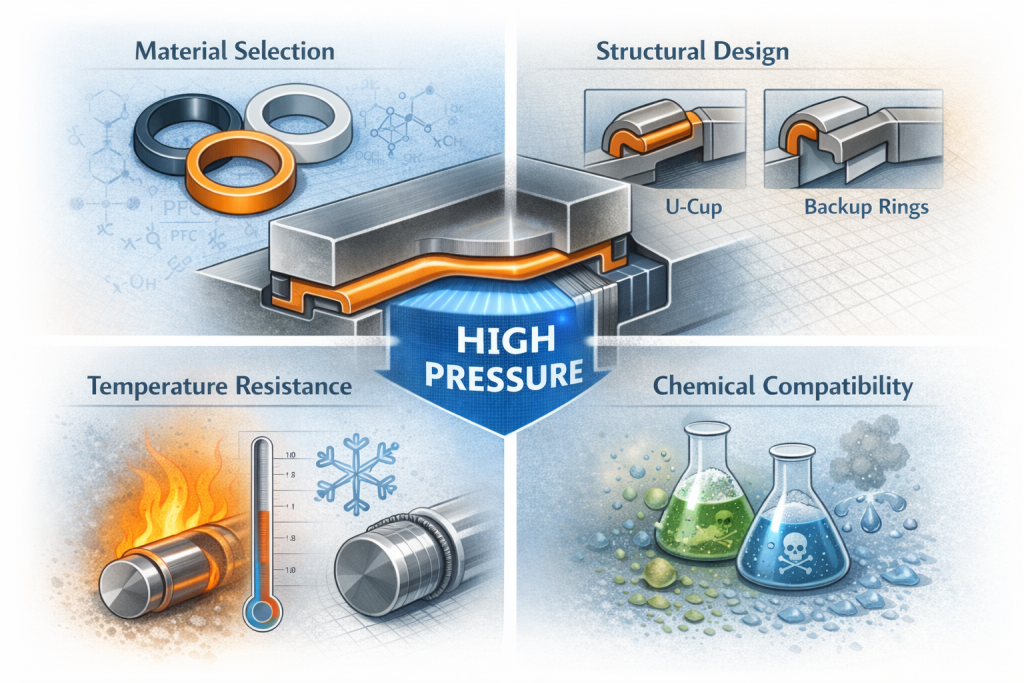
Sealing technology plays a decisive role in the safety, efficiency, and reliability of high-pressure equipment. In industries such as oil and gas, chemical processing, power generation, hydraulic systems, and aerospace, seals are often the last barrier preventing fluid leakage, contamination, or catastrophic system failure. Unlike standard low-pressure applications, high-pressure environments impose extreme mechanical, thermal, and chemical stresses on sealing components. As a result, both material selection and structural design must be carefully engineered to meet demanding operational conditions. This article explores the fundamental principles behind seal materials and structural design in high-pressure equipment, highlighting how engineering decisions influence performance, durability, and system integrity. Functional Requirements of High-Pressure Seals A seal

高圧機器におけるシールの材料と構造設計 続きを読む »

オフショアおよび海洋ワイヤーロープ用途における主な課題

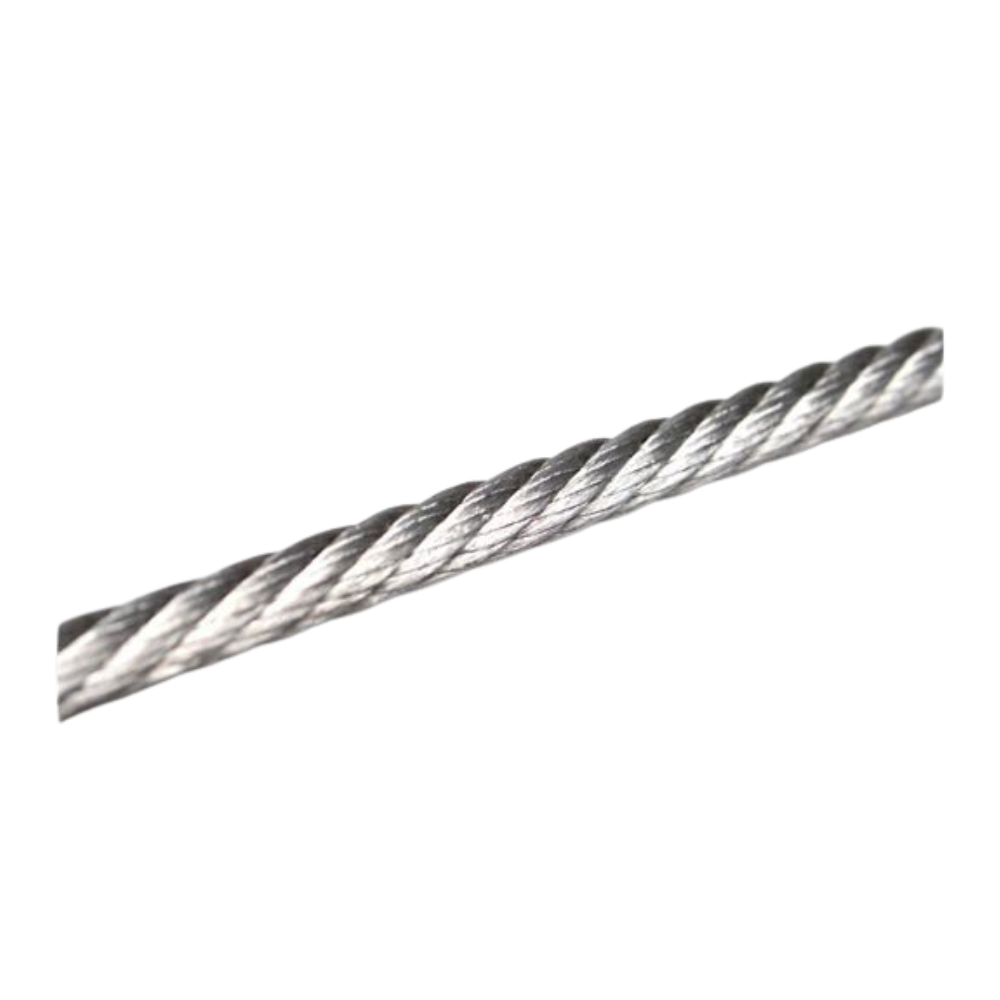
Wire ropes are critical components in offshore and marine operations. They are used in cranes, winches, mooring lines, lifting systems, and elevators. Reliable performance is essential for operational safety and efficiency. However, the marine environment presents unique challenges that can accelerate rope degradation and lead to failure. Understanding these challenges and how to mitigate them is essential for engineers, operators, and maintenance personnel. 1. Corrosion in Marine Environments Marine environments expose wire ropes to high humidity, salt-laden air, and direct seawater contact. Saltwater can penetrate the rope strands and reach the core, causing localized corrosion. Over time, corrosion reduces the tensile strength of individual wires, leads to pitting, and accelerates

オフショアおよび海洋ワイヤーロープ用途における主な課題 続きを読む »

jaJapanese