
Hoisting and lifting equipment are fundamental components of modern industrial systems. From construction sites and shipyards to semiconductor factories and logistics centers, lifting machinery enables the controlled movement of heavy materials with precision and safety. The engineering design of such equipment is a multidisciplinary field that integrates mechanical engineering, materials science, structural analysis, automation, and occupational safety.
The development of advanced lifting systems has become increasingly important as industries demand higher load capacities, improved reliability, lower maintenance costs, and enhanced operational safety. This article provides a scientific overview of hoisting and lifting equipment design, focusing on structural principles, key components, load calculations, safety considerations, and emerging technological trends.
1. Definition and Classification of Hoisting Equipment
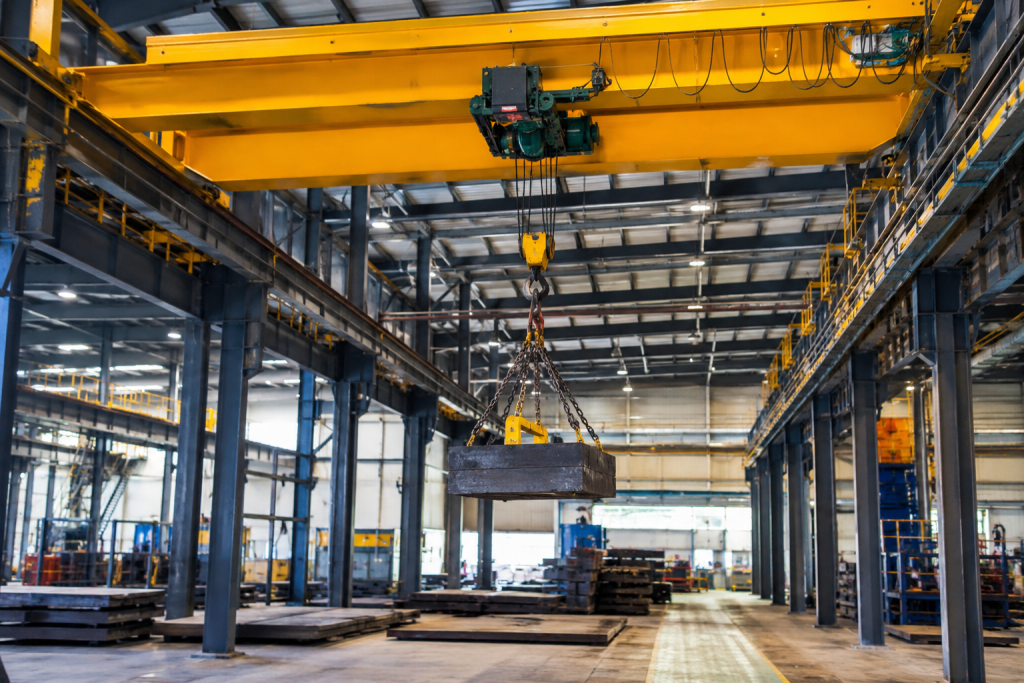
Hoisting equipment refers to mechanical systems used to raise, lower, or transport loads vertically or horizontally. Depending on their application and structural configuration, lifting systems can be classified into several categories:
1.1 Cranes
Cranes are the most common lifting devices in industrial environments. Typical crane types include:
- Overhead bridge cranes
- Gantry cranes
- Tower cranes
- Jib cranes
- Mobile cranes
These systems use wire ropes, pulleys, and motors to move loads over defined working areas.
1.2 Hoists
A hoist is a specialized lifting device designed primarily for vertical load movement. Hoists may be:
- Electric wire rope hoists
- Chain hoists
- Pneumatic hoists
- Hydraulic hoists
1.3 Elevating Platforms and Winches
These systems are widely used in mining, marine engineering, warehousing, and maintenance operations.
2. Fundamental Engineering Principles
The design of lifting equipment is governed by several core engineering disciplines.
2.1 Statics and Load Distribution
Engineers must calculate:
- Static loads
- Dynamic loads
- Impact factors
- Fatigue stresses
- Load eccentricity
The basic force relationship is commonly represented by Newton’s Second Law:
F=ma
In lifting operations, acceleration forces significantly influence structural stress and motor sizing.
2.2 Stress and Structural Analysis
Structural members such as beams, hooks, and frames must withstand bending, torsion, shear, and compressive forces.
For tensile stress analysis:
σ=AF
Where:
- σ = stress
- F = applied force
- A = cross-sectional area
Finite Element Analysis (FEA) is frequently used to simulate stress concentration zones and optimize component geometry.
2.3 Stability and Center of Gravity
Improper load distribution can cause overturning accidents. Engineers must ensure that the center of gravity remains within the safe operating envelope of the lifting structure.
For mobile cranes and tower cranes, stability calculations involve:
- Counterweight balancing
- Boom angle analysis
- Wind load estimation
- Ground bearing pressure
3. Key Components of Lifting Systems
3.1 Wire Ropes and Chains
Wire ropes are critical load-bearing components. Their design depends on:
- Tensile strength
- Flexibility
- Fatigue resistance
- Corrosion resistance
Steel wire ropes are commonly manufactured using high-carbon alloy steels to improve durability under cyclic loading conditions.
3.2 Hooks and Attachments
Hooks must exhibit high fracture toughness and fatigue resistance. Safety latches and overload protection systems are increasingly standardized in modern industrial environments.
3.3 Gearboxes and Motors
Electric motors provide the driving force for lifting systems. Gear reducers convert motor speed into higher torque suitable for heavy loads.
Design considerations include:
- Torque transmission efficiency
- Thermal management
- Lubrication systems
- Noise and vibration control
3.4 Braking Systems
Fail-safe braking mechanisms are essential for preventing uncontrolled load descent. Common braking technologies include:
- Electromagnetic brakes
- Hydraulic brakes
- Disc brakes
- Regenerative braking systems
4. Material Selection in Hoisting Equipment
Material engineering plays a decisive role in equipment reliability and lifecycle performance.
4.1 Structural Steel
High-strength low-alloy (HSLA) steels are widely used due to:
- Excellent weldability
- High yield strength
- Good fatigue resistance
4.2 Advanced Composite Materials
Modern lightweight cranes increasingly incorporate:
- Carbon fiber composites
- Aluminum alloys
- Hybrid structural materials
These materials reduce self-weight while maintaining load capacity.
4.3 Surface Engineering
Protective coatings improve corrosion resistance in harsh environments such as offshore platforms and chemical plants. Common treatments include:
- Hot-dip galvanization
- Epoxy coatings
- Thermal spraying
- Ceramic coatings
5. Safety Engineering and International Standards
Safety is the most critical aspect of lifting equipment design. Industrial accidents involving cranes and hoists can result in catastrophic consequences.
5.1 Safety Factors
Mechanical components are designed using safety factors to account for uncertainties in material behavior and operational conditions.
The factor of safety is expressed as:
N=Working StressUltimate Strength
Typical lifting systems use safety factors ranging from 4:1 to 8:1 depending on application requirements.
5.2 International Standards
Common standards include:
- ISO 4301 (Crane classification)
- ASME B30 series
- FEM standards
- EN 15011
- OSHA regulations
Compliance ensures operational consistency and worker protection.
5.3 Intelligent Safety Systems
Modern lifting systems increasingly integrate:
- Load moment indicators
- Anti-collision systems
- Real-time monitoring sensors
- AI-based predictive maintenance
- Remote diagnostics
Industrial Internet of Things (IIoT) technologies have significantly improved operational safety and equipment availability.
6. Automation and Smart Lifting Technologies
Automation is transforming the lifting industry.
6.1 Computer-Controlled Cranes
Automated cranes are now widely used in:
- Smart warehouses
- Ports
- Semiconductor manufacturing
- Steel plants
These systems rely on:
- PLC controllers
- Servo systems
- Laser positioning
- Machine vision
6.2 Digital Twin Technology
Digital twins create virtual models of lifting equipment for:
- Structural simulation
- Fatigue prediction
- Maintenance optimization
- Energy efficiency analysis
This technology reduces downtime and improves lifecycle management.
6.3 Robotics Integration
Collaborative robotic lifting systems are increasingly applied in precision manufacturing, especially where human exposure to hazardous environments must be minimized.
7. Challenges in Modern Hoisting Equipment Design
Despite technological advances, engineers continue to face several challenges:
7.1 Fatigue Failure
Repeated loading cycles cause microcrack propagation in metal structures. Fatigue analysis remains a major research area in lifting machinery engineering.
7.2 Energy Efficiency
Industrial operators increasingly demand low-energy lifting systems to reduce operational costs and carbon emissions.
7.3 Extreme Operating Environments
Equipment operating in:
- Arctic regions
- Offshore platforms
- High-temperature factories
- Corrosive chemical plants
requires specialized materials and thermal protection systems.
8. Future Development Trends
The future of hoisting and lifting equipment design will likely focus on:
- AI-assisted autonomous lifting
- Lightweight high-strength materials
- Fully electrified lifting systems
- Real-time structural health monitoring
- Sustainable manufacturing technologies
The integration of artificial intelligence and advanced sensor networks will enable predictive safety systems capable of preventing accidents before they occur.
Conclusion
Hoisting and lifting equipment design is a highly specialized engineering discipline that combines structural mechanics, material science, automation, and safety engineering. As industries continue to pursue greater productivity and operational reliability, lifting systems are evolving toward higher intelligence, automation, and sustainability.
Future innovations will depend on interdisciplinary collaboration between mechanical engineers, software developers, material scientists, and industrial safety experts. Through advanced design methodologies and intelligent monitoring technologies, modern lifting equipment will continue to improve industrial efficiency while maintaining the highest standards of operational safety.
 English
  Korean
  Japanese
  Russian
  Arabic
  Spanish
  German
  French
  Italian
  Portuguese
  Chinese
  Dutch
Dutch  Polish
  Czech
Czech  Hungarian
  Finnish
  Swedish
  Vietnamese
  Thai
Thai  Turkish