wonzh

6 OEM CNC部品製造におけるコスト管理戦略

In OEM CNC component manufacturing, cost control is not simply about lowering machining prices. It requires balancing precision requirements, material performance, production efficiency, and long-term reliability. For industrial buyers and equipment manufacturers, understanding where costs originate helps prevent unnecessary spending while maintaining functional performance. Below are 6 practical cost-control strategies widely applied in OEM CNC manufacturing projects. 1. Define Functional Tolerances Instead of Over-Specifying Precision One of the most common cost drivers in CNC machining is over-tight tolerance requirements. While high precision is critical in certain areas such as bearing seats or sealing surfaces, many non-functional features do not require extreme accuracy. Optimizing tolerances: Functional tolerance analysis ensures precision is […]

6 OEM CNC部品製造におけるコスト管理戦略 続きを読む »
精密機械加工が産業機器の信頼性を向上させる5つの方法

In industrial environments, equipment reliability directly impacts productivity, safety, and maintenance cost.While material selection and system design are important, precision machining quality often determines whether mechanical systems operate smoothly over the long term. Below are 5 practical ways precision machining enhances industrial equipment reliability, especially in applications involving bearings, transmission systems, sealing assemblies, and high-load components. 1. Improved Fit Accuracy Reduces Mechanical Stress Precision machining ensures accurate shaft and bore dimensions, directly affecting component fit. When tolerances are correctly controlled: Poor fit accuracy can lead to: By maintaining functional fit tolerances, stress concentration inside assemblies is significantly reduced. 2. Better Surface Finish Minimizes Friction and Wear Surface roughness (Ra value)

精密機械加工が産業機器の信頼性を向上させる5つの方法 続きを読む »

カスタムCNC機械加工部品で管理すべき8つの重要公差

In industrial equipment and mechanical assemblies, dimensional tolerance is not just a drawing requirement — it directly affects assembly accuracy, operational stability, and long-term reliability. For OEM buyers and maintenance engineers, understanding which tolerances are truly critical can significantly reduce failure rates and unnecessary production costs. Below are 8 critical tolerances that must be properly controlled in custom CNC machined components. 1. Linear Dimensional Tolerance (±mm) This is the most basic but essential tolerance — controlling length, width, thickness, and diameter. In most industrial applications: Improper control may cause: For transmission and bearing-related components, tighter dimensional control is usually required. 2. Diameter Tolerance for Shaft & Bore Fits Shaft and

カスタムCNC機械加工部品で管理すべき8つの重要公差 続きを読む »

高圧バルブシステムの漏れを防ぐ方法

High-pressure valves are critical components in chemical, oil & gas, power generation, and process industries. Leakage in these systems can result in safety hazards, environmental contamination, operational inefficiency, and costly downtime. Proper design, material selection, installation, and maintenance practices are essential to ensure leak-free operation. This guide outlines practical strategies to prevent leakage in high-pressure valve systems, drawing on industry standards, field experience, and engineering best practices. 1. Understanding the Causes of Valve Leakage Leakage in high-pressure valves can be categorized into: Common root causes include: By identifying the source, operators can apply targeted mitigation strategies. 2. Proper Material Selection Selecting the right materials for valve components is crucial: Material

高圧バルブシステムの漏れを防ぐ方法 続きを読む »

工業炉用高温ベアリング・ソリューション

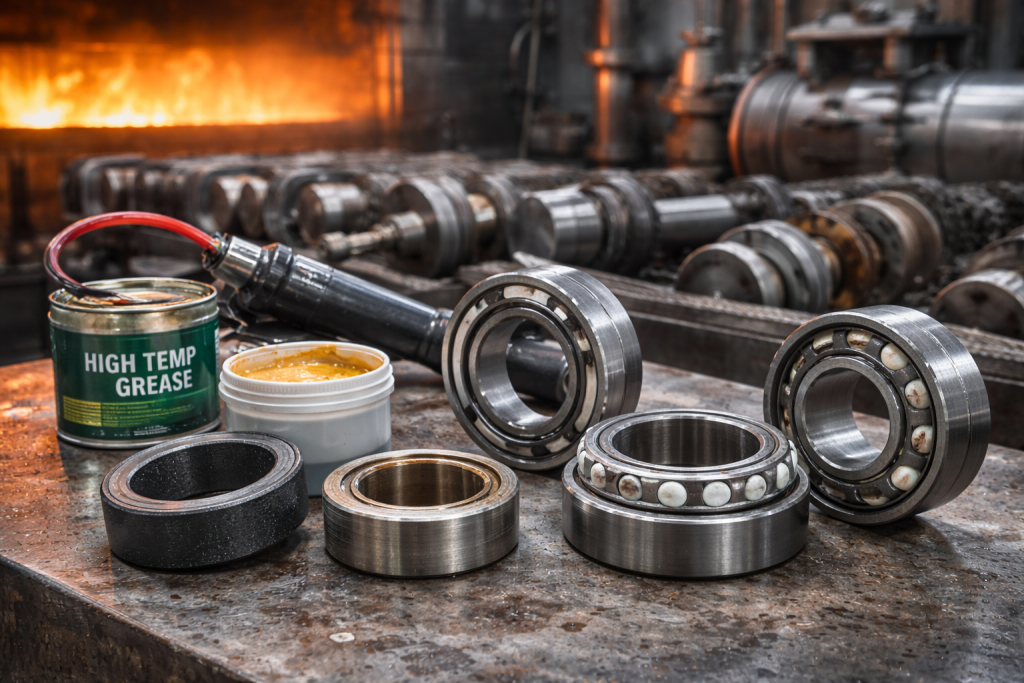
Industrial furnaces operate under some of the harshest mechanical conditions in manufacturing. Continuous exposure to temperatures ranging from 200°C to over 1000°C, combined with heavy loads, thermal cycling, dust contamination, and oxidation, makes bearing selection a critical reliability factor. This technical guide outlines proven high-temperature bearing solutions, material considerations, lubrication strategies, and installation practices used in steel plants, cement kilns, glass production lines, and heat-treatment systems. 1. Operating Challenges in Furnace Applications Industrial furnaces such as those found in steel reheating lines or rotary kilns impose several combined stresses: In facilities such as ArcelorMittal steel plants or Heidelberg Materials cement operations, bearing failure in furnace conveyor rolls or kiln drives

工業炉用高温ベアリング・ソリューション 続きを読む »

化学処理産業向けシール材選択ガイド

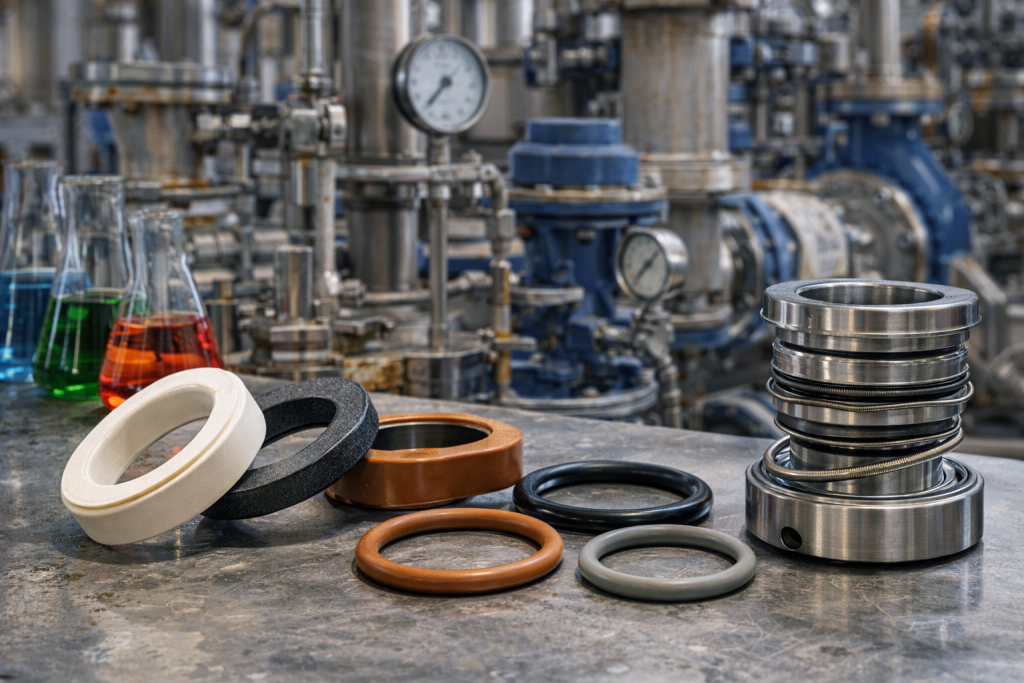
In the chemical processing industry, seal failure is not just a maintenance issue—it can result in hazardous leaks, environmental contamination, unplanned shutdowns, and regulatory penalties. Selecting the correct sealing material requires a systematic evaluation of chemical compatibility, temperature, pressure, and mechanical stress conditions. This guide provides practical, experience-based recommendations to help engineers and procurement specialists choose reliable sealing materials for demanding chemical environments. 1. Why Seal Material Selection Is Critical in Chemical Plants Chemical processing systems operate under: Incorrect seal material selection may lead to: Proper material matching ensures long-term equipment reliability and plant safety. 2. Key Factors in Seal Material Selection 2.1 Chemical Compatibility The primary consideration is resistance

化学処理産業向けシール材選択ガイド 続きを読む »

沿岸地域におけるワイヤロープ腐食保護ソリューション

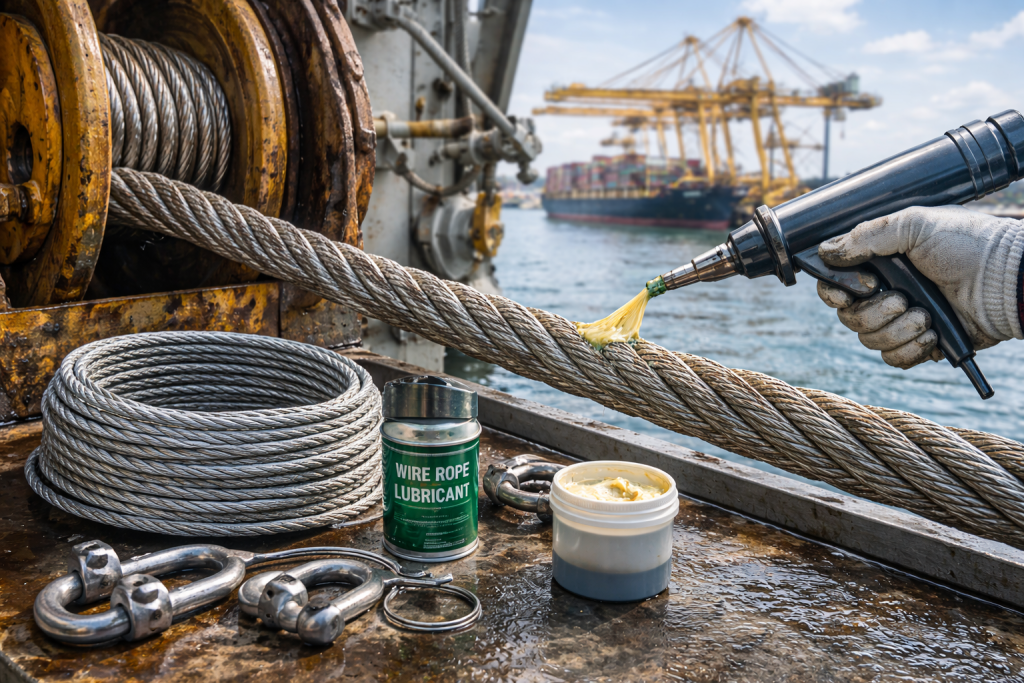
Wire ropes used in coastal and marine environments face some of the harshest operating conditions in industrial applications. High humidity, salt spray, temperature fluctuation, and cyclic loading significantly accelerate corrosion. Without proper protection strategies, corrosion reduces tensile strength, increases fatigue failure risk, and shortens service life. This article outlines practical, field-tested corrosion protection solutions designed for port cranes, offshore lifting systems, and marine infrastructure. 1. Why Coastal Environments Accelerate Corrosion Salt-laden air contains chloride ions that aggressively attack steel surfaces. When combined with moisture and oxygen, this creates an electrochemical reaction leading to: Unlike inland industrial environments, coastal corrosion penetrates not only the outer wires but also the rope core—especially

沿岸地域におけるワイヤロープ腐食保護ソリューション 続きを読む »

港湾クレーンのワイヤーロープ交換サイクルと安全点検基準

Wire ropes used in port cranes operate under high load, continuous cycling, and harsh marine environments. Salt air, dynamic shock loads, and repetitive bending over sheaves accelerate wear and fatigue. Establishing a scientifically based replacement cycle and inspection standard is essential to prevent accidents, unplanned downtime, and costly structural damage. This article provides practical guidance aligned with internationally recognized safety practices for port crane operations. 1. Why Wire Rope Management Is Critical in Port Operations Port container cranes, gantry cranes, and ship unloaders depend on wire ropes as primary load-bearing components. A single rope failure can result in: Unlike static structural components, wire ropes degrade progressively due to bending fatigue,

港湾クレーンのワイヤーロープ交換サイクルと安全点検基準 続きを読む »

ベアリングのメンテナンスでよくある間違いトップ10とその回避方法

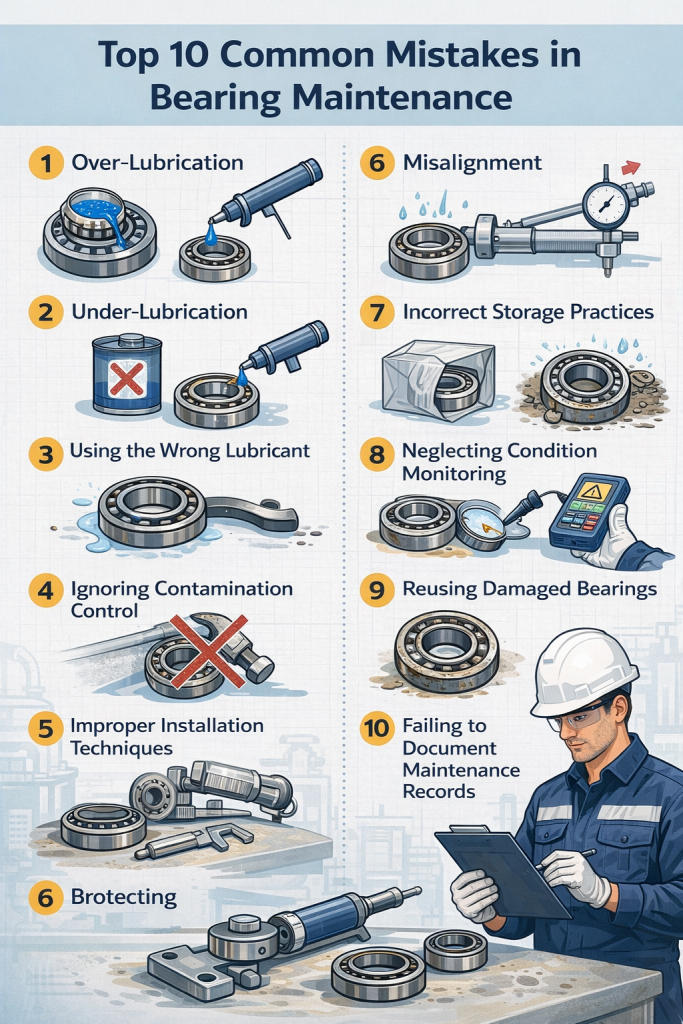
Bearings are critical components in rotating machinery. Whether installed in pumps, motors, conveyors, or gearboxes, their reliability directly affects equipment uptime, safety, and operating costs. Despite their importance, bearing failures are often caused not by product defects, but by improper maintenance practices. Based on field experience supporting industrial clients, this article outlines the ten most common mistakes in bearing maintenance—and practical solutions to avoid them. 1. Over-Lubrication One of the most widespread misconceptions is that “more grease means better protection.” In reality, over-lubrication increases internal pressure, causes heat buildup, and can rupture seals. Best Practice:Follow manufacturer-recommended grease quantity and relubrication intervals. Use calculated grease volume based on bearing size and

ベアリングのメンテナンスでよくある間違いトップ10とその回避方法 続きを読む »

シーリングソリューションポンプとバルブの設置とメンテナンスのベストプラクティス

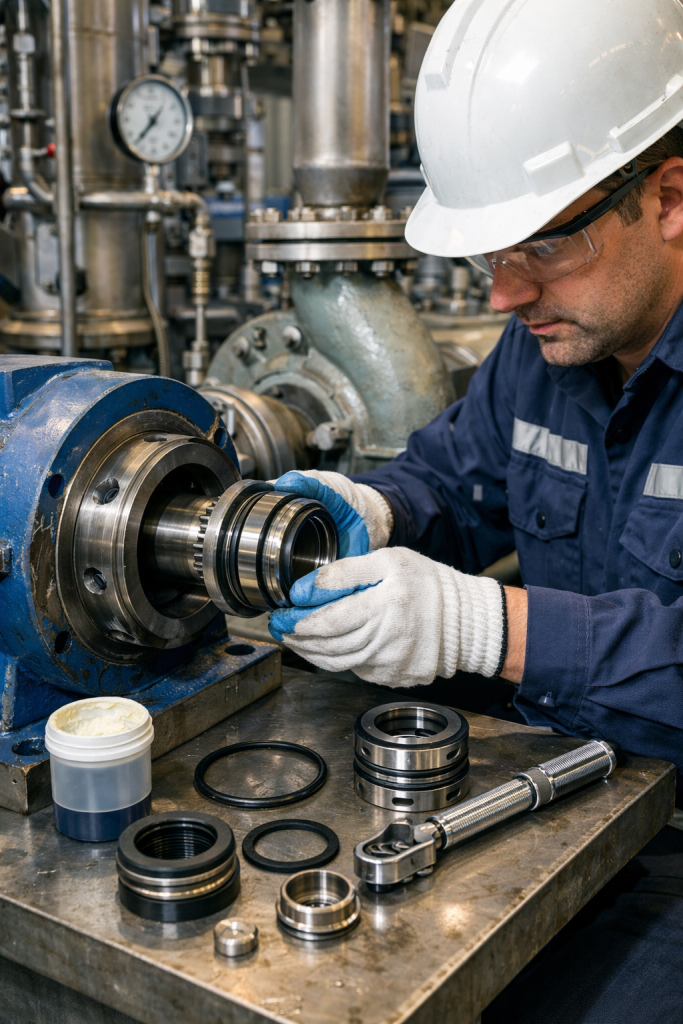
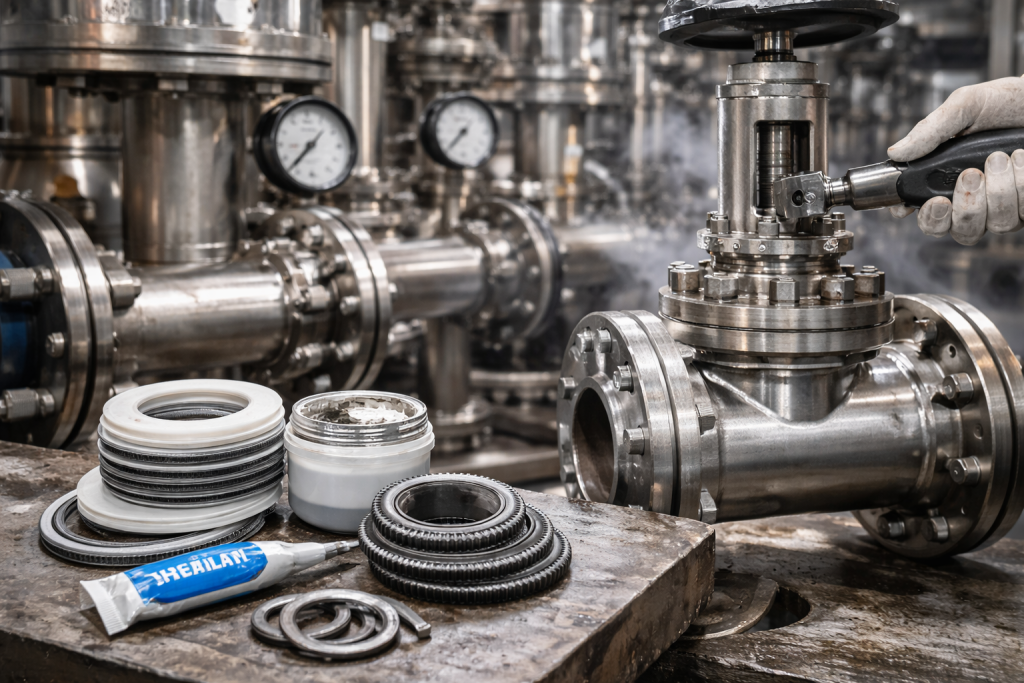
Sealing systems play a critical role in the safe and efficient operation of pumps and valves. Proper installation and regular maintenance of seals not only extend the service life of equipment but also prevent costly downtime, leakage, and safety hazards. This article provides practical guidance for engineers, maintenance technicians, and procurement specialists on sealing best practices, focusing on pumps and valves in industrial applications. 1. Understanding Seal Types and Applications Choosing the right seal is the foundation of long-term reliability. The most common types include: Each seal type has unique chemical and temperature limitations. Selecting materials compatible with the fluid type, operating pressure, and temperature is crucial to avoid premature

シーリングソリューションポンプとバルブの設置とメンテナンスのベストプラクティス 続きを読む »

jaJapanese