wonzh

産業機器用カスタムシャフトとギア設計の最適化

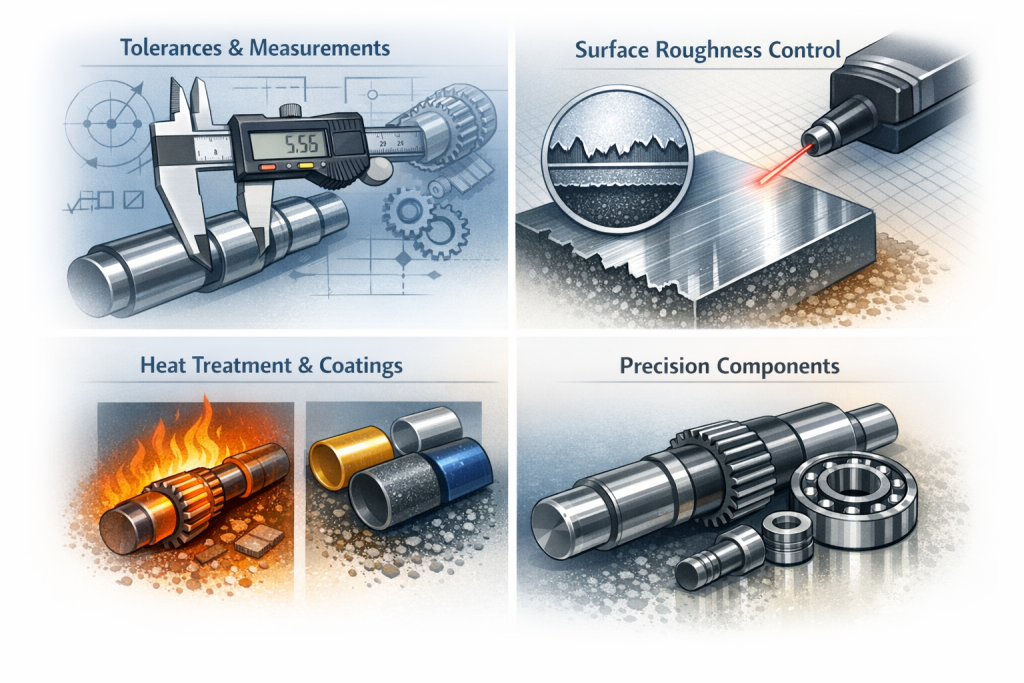
Shafts and gears are fundamental components in industrial machinery, playing a critical role in power transmission, motion control, and mechanical efficiency. Poorly designed or improperly specified shafts and gears can lead to premature wear, mechanical failure, and costly downtime. Optimizing their design is particularly important when components are custom-made to meet specific industrial requirements. This article explores the key considerations, methodologies, and best practices for designing custom shafts and gears that maximize performance, reliability, and service life. 1. Understanding Operational Requirements The foundation of any custom shaft or gear design is a thorough understanding of the operational requirements. Key parameters include: Defining these factors allows engineers to select appropriate materials, […]

産業機器用カスタムシャフトとギア設計の最適化 続きを読む »

産業用カスタム部品の技術要件を指定する方法

Custom industrial components are essential for specialized machinery, high-performance equipment, and applications where standard parts cannot meet operational demands. Properly defining technical requirements is critical to ensure that the custom parts achieve the desired performance, durability, and reliability. Failure to specify requirements accurately can lead to operational inefficiencies, early wear, or complete component failure. This article provides a systematic approach to defining technical requirements for custom industrial components. 1. Understanding the Application and Operating Conditions The first step in specifying technical requirements is a thorough understanding of the component’s intended application. Key questions include: By analyzing the application, engineers can define critical performance parameters such as load capacity, fatigue resistance,

産業用カスタム部品の技術要件を指定する方法 続きを読む »

産業機械部品の摩耗メカニズムの解析

Wear of industrial machinery components is a critical factor affecting the efficiency, reliability, and service life of equipment. Understanding the mechanisms that cause wear is essential for engineers and maintenance personnel to implement effective preventive measures and optimize machine performance. Machinery components such as gears, bearings, shafts, seals, and cutting tools are all subject to various wear processes depending on operating conditions, materials, and environmental factors. 1. Abrasive Wear Abrasive wear occurs when hard particles or asperities on contact surfaces remove material from a component. It is one of the most common wear mechanisms in industrial machinery, often caused by dust, dirt, metal filings, or other contaminants in lubricants or

産業機械部品の摩耗メカニズムの解析 続きを読む »

オフショアおよび海洋ワイヤーロープ用途における主な課題

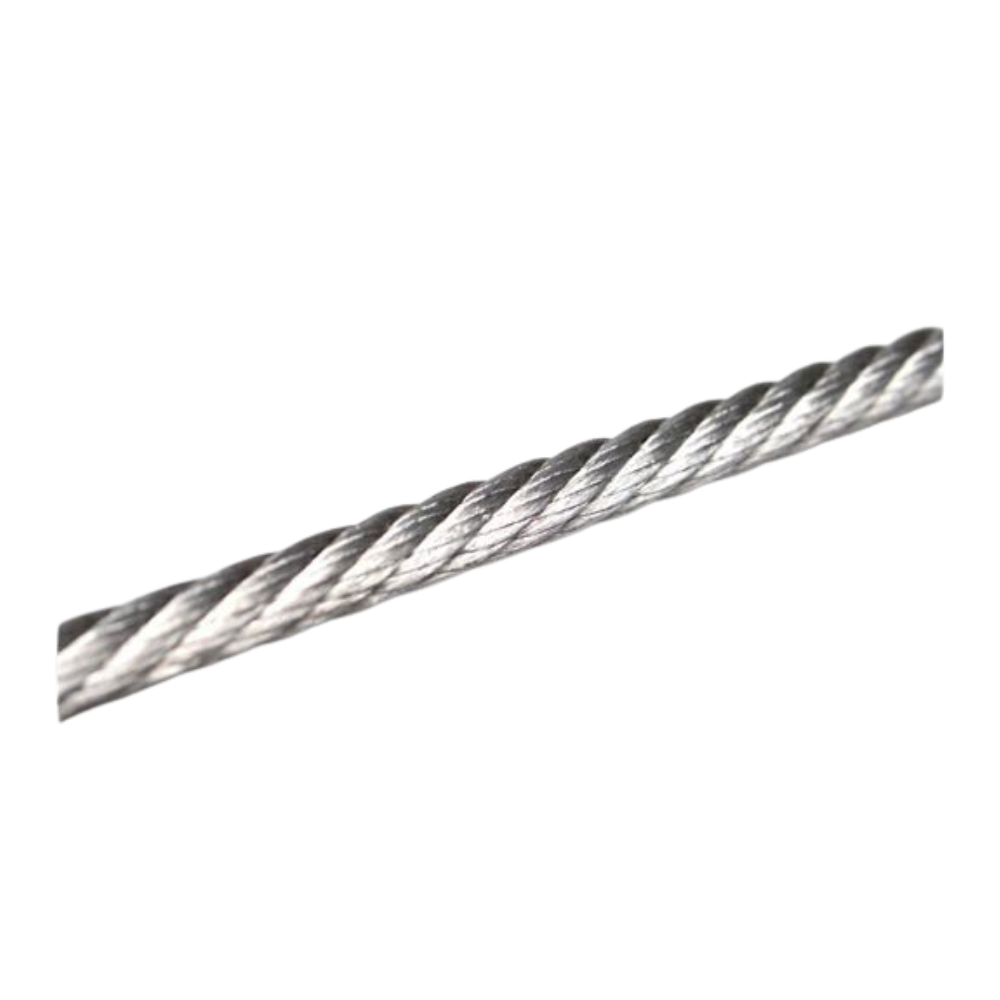
Wire ropes are critical components in offshore and marine operations. They are used in cranes, winches, mooring lines, lifting systems, and elevators. Reliable performance is essential for operational safety and efficiency. However, the marine environment presents unique challenges that can accelerate rope degradation and lead to failure. Understanding these challenges and how to mitigate them is essential for engineers, operators, and maintenance personnel. 1. Corrosion in Marine Environments Marine environments expose wire ropes to high humidity, salt-laden air, and direct seawater contact. Saltwater can penetrate the rope strands and reach the core, causing localized corrosion. Over time, corrosion reduces the tensile strength of individual wires, leads to pitting, and accelerates

オフショアおよび海洋ワイヤーロープ用途における主な課題 続きを読む »

ワイヤーロープの故障を理解する:5つの主な原因と予防策

Wire ropes are essential components in a wide range of industrial applications, including cranes, elevators, mining equipment, marine operations, and construction machinery. Their reliability is critical, as failure can lead to equipment downtime, financial loss, and, in severe cases, safety hazards. Understanding why wire ropes fail and how to prevent these failures is essential for engineers, maintenance personnel, and operators. This article explores the five most common causes of wire rope failure and provides practical strategies to mitigate these risks. 1. Abrasion and Wear One of the most frequent causes of wire rope failure is abrasion between individual wires or between the rope and sheaves, drums, or guides. Over time,

ワイヤーロープの故障を理解する:5つの主な原因と予防策 続きを読む »

中国の精密製造はドイツと日本に挑戦できるか?

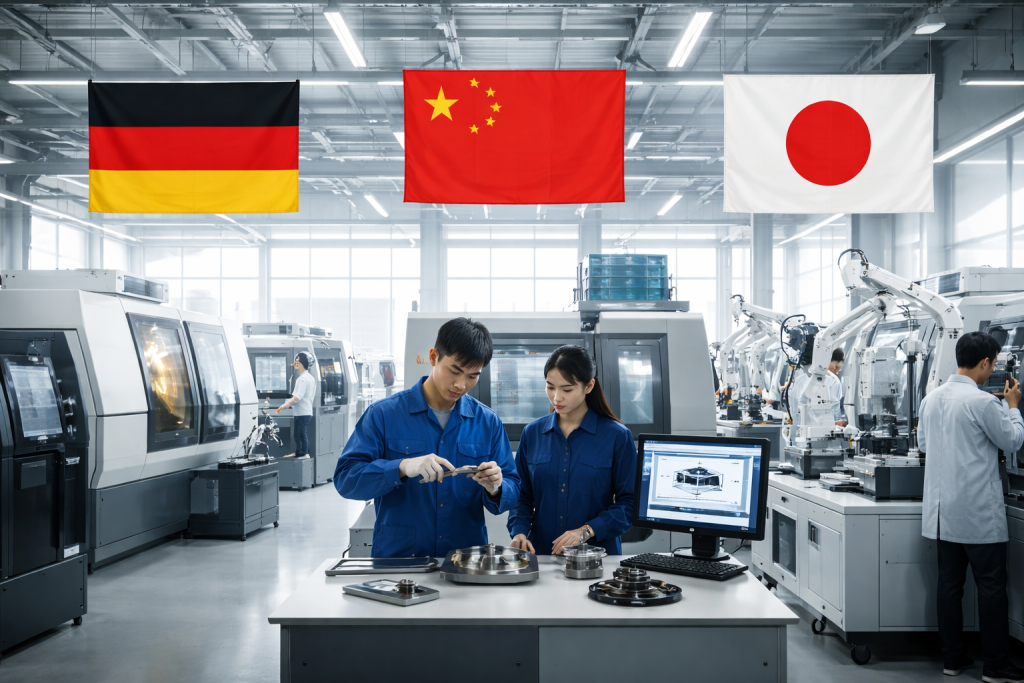
1. Introduction: A New Landscape of Global Manufacturing For decades, Germany and Japan have been widely regarded as the world’s leaders in precision manufacturing. Their reputations rest on deep engineering traditions, high-quality industrial standards, advanced machine tools, and highly skilled workforces. Companies such as Siemens, Bosch, FANUC, NSK, DMG Mori, Mazak, and Mitutoyo have long symbolized reliability, innovation, and long-term technological mastery. China’s rise as a manufacturing powerhouse was initially associated more with mass production, cost efficiency, and industrial scale than with ultra-precision engineering. However, over the past 15 to 20 years, this perception has shifted significantly. China has invested heavily in high-end manufacturing, automation, advanced materials, digital factories, and

中国の精密製造はドイツと日本に挑戦できるか? 続きを読む »

産業用ベアリングのセラミック材料採用が増えている理由

1. Introduction: From Steel to Ceramics – A Paradigm Shift For more than a century, industrial bearings have relied primarily on high-carbon chromium steel (such as AISI 52100) as the dominant rolling element material. Steel bearings have powered everything from automobiles and turbines to machine tools and industrial motors. However, as industries push toward higher speeds, harsher environments, greater energy efficiency, and longer maintenance intervals, traditional steel bearings are reaching their performance limits. Over the past two to three decades, ceramic materials—particularly silicon carbide (SiC), silicon nitride (Si₃N₄), and zirconia (ZrO₂)—have emerged as increasingly attractive alternatives for rolling elements and hybrid bearings. Today, ceramic bearings are no longer niche products;

産業用ベアリングのセラミック材料採用が増えている理由 続きを読む »

産業用ワイヤーロープの安全性と耐用年数の評価方法

Industrial wire ropes are essential components in material handling, lifting, and hoisting equipment. They are designed to withstand dynamic loads, torsion, and environmental stress while ensuring operator safety and operational reliability. Evaluating the safety and service life of wire ropes is critical to prevent accidents, reduce maintenance costs, and maximize equipment efficiency. This article provides a structured framework for assessing wire rope performance, lifespan, and risk factors based on engineering principles and real-world operating conditions. 1. Understanding Wire Rope Construction Wire ropes are composed of multiple strands of metal wires twisted around a core. The main types include: The construction determines mechanical properties, flexibility, wear resistance, and load-bearing capacity. For

産業用ワイヤーロープの安全性と耐用年数の評価方法 続きを読む »

油圧・空圧システム用シールの正しい選び方

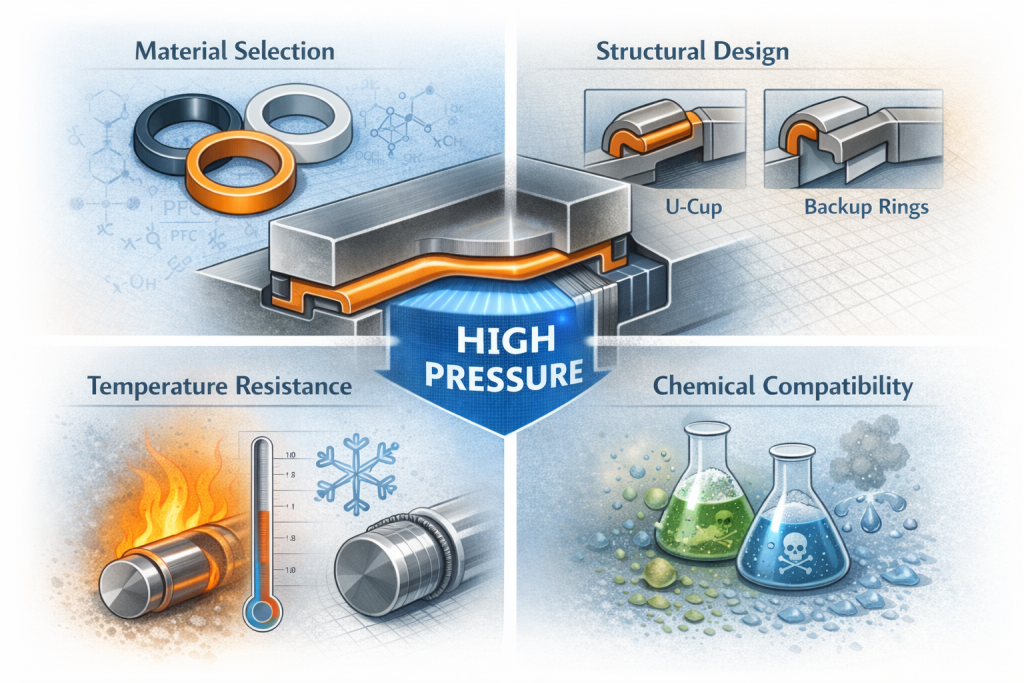
Hydraulic and pneumatic systems are widely used in industrial machinery, automation equipment, and material handling applications. These systems operate under varying pressures, temperatures, and dynamic movements, making seals a critical component for ensuring system integrity, efficiency, and longevity. Selecting the correct seal is essential for preventing leakage, minimizing maintenance, and avoiding unexpected equipment downtime. This article provides a structured approach to selecting the right seals for hydraulic and pneumatic systems, based on operating conditions, materials, design considerations, and maintenance requirements. 1. Understanding the Function of Seals Seals are mechanical elements designed to prevent fluid leakage and contamination while maintaining system pressure. They perform several key functions: Proper seal selection not

油圧・空圧システム用シールの正しい選び方 続きを読む »

産業用ベアリングの正しい選び方

Industrial bearings are fundamental components in almost every type of mechanical system. They enable smooth rotation, reduce friction, support loads, and ensure stable operation of machinery across manufacturing, energy, mining, material handling, and automation industries. However, selecting the right bearing is not a trivial decision. Inappropriate bearing selection can lead to premature failure, increased maintenance costs, unplanned downtime, and reduced equipment reliability. This article provides a structured and practical framework for selecting the right industrial bearing based on engineering principles, real operating conditions, and maintenance considerations. 1. Understanding the Role of Bearings in Industrial Equipment A bearing’s primary functions include: In industrial settings, bearings are rarely isolated components; they operate

産業用ベアリングの正しい選び方 続きを読む »

jaJapanese