wonzh

工業炉用高温ベアリング・ソリューション

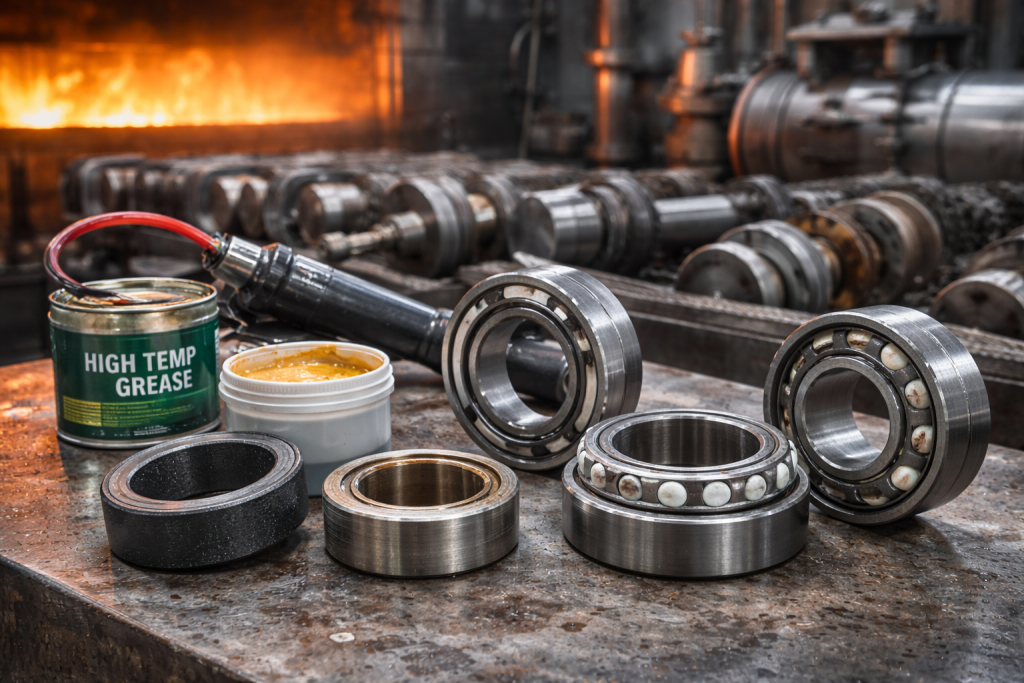
Industrial furnaces operate under some of the harshest mechanical conditions in manufacturing. Continuous exposure to temperatures ranging from 200°C to over 1000°C, combined with heavy loads, thermal cycling, dust contamination, and oxidation, makes bearing selection a critical reliability factor. This technical guide outlines proven high-temperature bearing solutions, material considerations, lubrication strategies, and installation practices used in steel plants, cement kilns, glass production lines, and heat-treatment systems. 1. Operating Challenges in Furnace Applications Industrial furnaces such as those found in steel reheating lines or rotary kilns impose several combined stresses: In facilities such as ArcelorMittal steel plants or Heidelberg Materials cement operations, bearing failure in furnace conveyor rolls or kiln drives […]

工業炉用高温ベアリング・ソリューション 続きを読む »

化学処理産業向けシール材選択ガイド

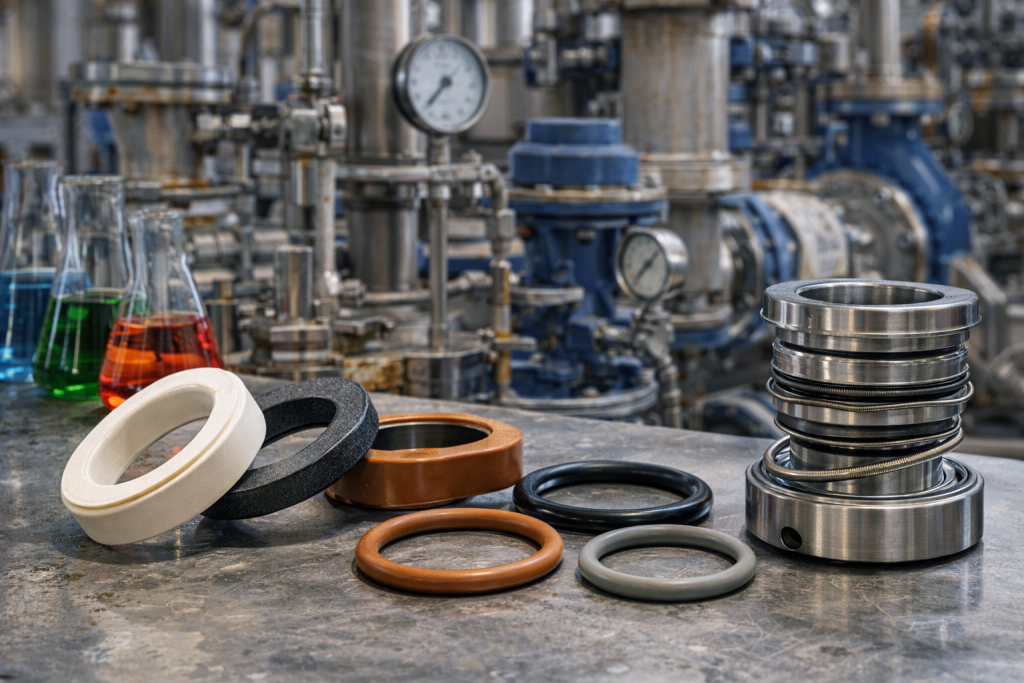
In the chemical processing industry, seal failure is not just a maintenance issue—it can result in hazardous leaks, environmental contamination, unplanned shutdowns, and regulatory penalties. Selecting the correct sealing material requires a systematic evaluation of chemical compatibility, temperature, pressure, and mechanical stress conditions. This guide provides practical, experience-based recommendations to help engineers and procurement specialists choose reliable sealing materials for demanding chemical environments. 1. Why Seal Material Selection Is Critical in Chemical Plants Chemical processing systems operate under: Incorrect seal material selection may lead to: Proper material matching ensures long-term equipment reliability and plant safety. 2. Key Factors in Seal Material Selection 2.1 Chemical Compatibility The primary consideration is resistance

化学処理産業向けシール材選択ガイド 続きを読む »

沿岸地域におけるワイヤロープ腐食保護ソリューション

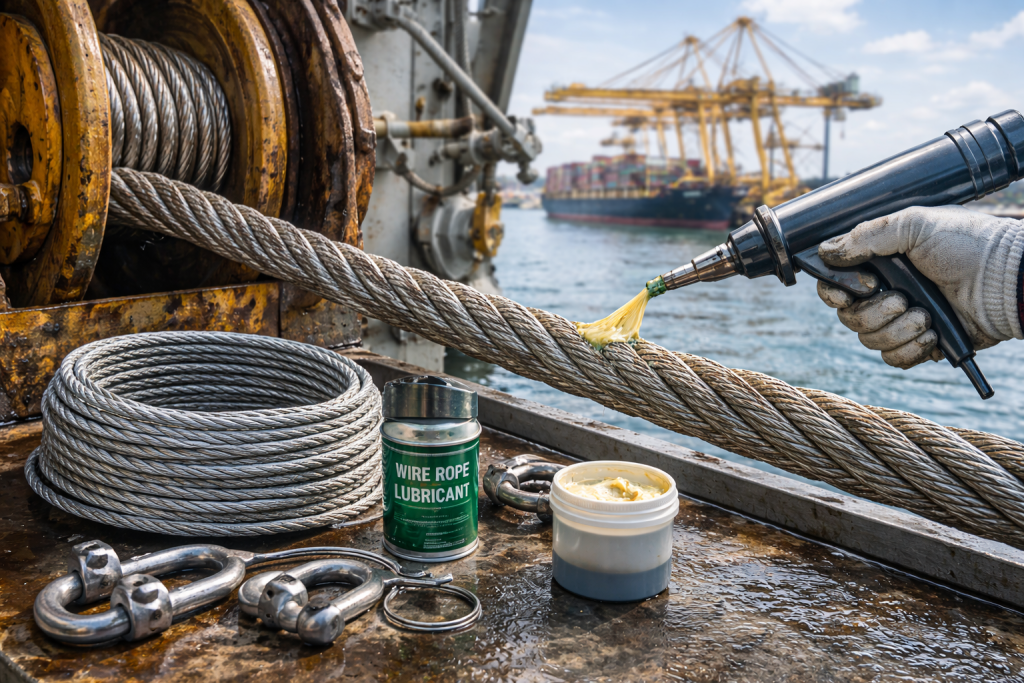
Wire ropes used in coastal and marine environments face some of the harshest operating conditions in industrial applications. High humidity, salt spray, temperature fluctuation, and cyclic loading significantly accelerate corrosion. Without proper protection strategies, corrosion reduces tensile strength, increases fatigue failure risk, and shortens service life. This article outlines practical, field-tested corrosion protection solutions designed for port cranes, offshore lifting systems, and marine infrastructure. 1. Why Coastal Environments Accelerate Corrosion Salt-laden air contains chloride ions that aggressively attack steel surfaces. When combined with moisture and oxygen, this creates an electrochemical reaction leading to: Unlike inland industrial environments, coastal corrosion penetrates not only the outer wires but also the rope core—especially

沿岸地域におけるワイヤロープ腐食保護ソリューション 続きを読む »

港湾クレーンのワイヤーロープ交換サイクルと安全点検基準

Wire ropes used in port cranes operate under high load, continuous cycling, and harsh marine environments. Salt air, dynamic shock loads, and repetitive bending over sheaves accelerate wear and fatigue. Establishing a scientifically based replacement cycle and inspection standard is essential to prevent accidents, unplanned downtime, and costly structural damage. This article provides practical guidance aligned with internationally recognized safety practices for port crane operations. 1. Why Wire Rope Management Is Critical in Port Operations Port container cranes, gantry cranes, and ship unloaders depend on wire ropes as primary load-bearing components. A single rope failure can result in: Unlike static structural components, wire ropes degrade progressively due to bending fatigue,

港湾クレーンのワイヤーロープ交換サイクルと安全点検基準 続きを読む »

ベアリングのメンテナンスでよくある間違いトップ10とその回避方法

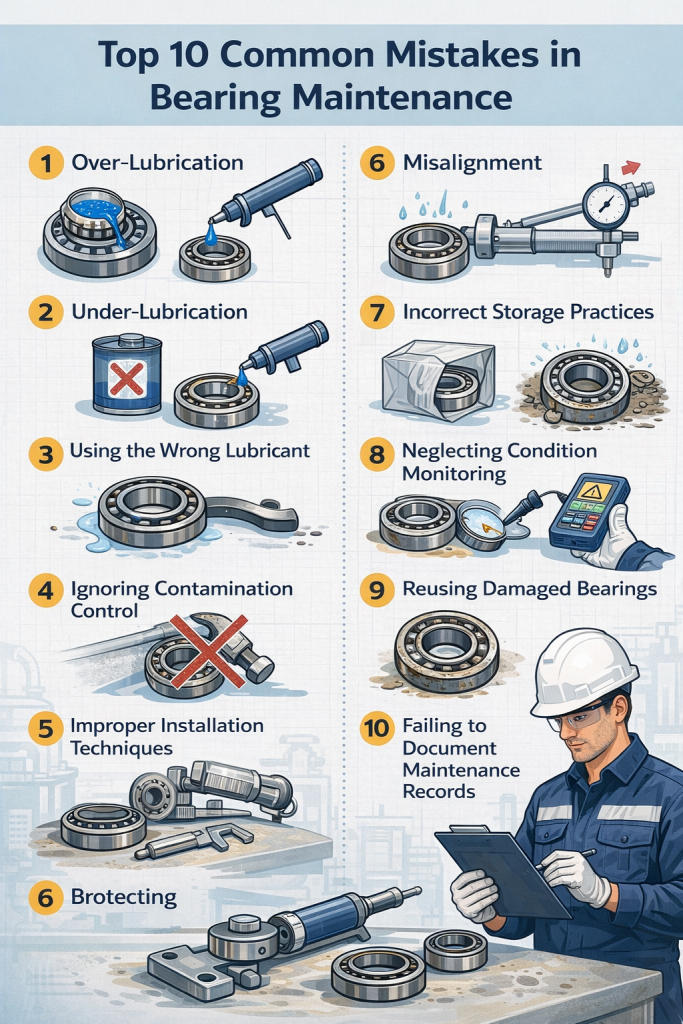
Bearings are critical components in rotating machinery. Whether installed in pumps, motors, conveyors, or gearboxes, their reliability directly affects equipment uptime, safety, and operating costs. Despite their importance, bearing failures are often caused not by product defects, but by improper maintenance practices. Based on field experience supporting industrial clients, this article outlines the ten most common mistakes in bearing maintenance—and practical solutions to avoid them. 1. Over-Lubrication One of the most widespread misconceptions is that “more grease means better protection.” In reality, over-lubrication increases internal pressure, causes heat buildup, and can rupture seals. Best Practice:Follow manufacturer-recommended grease quantity and relubrication intervals. Use calculated grease volume based on bearing size and

ベアリングのメンテナンスでよくある間違いトップ10とその回避方法 続きを読む »

シーリングソリューションポンプとバルブの設置とメンテナンスのベストプラクティス

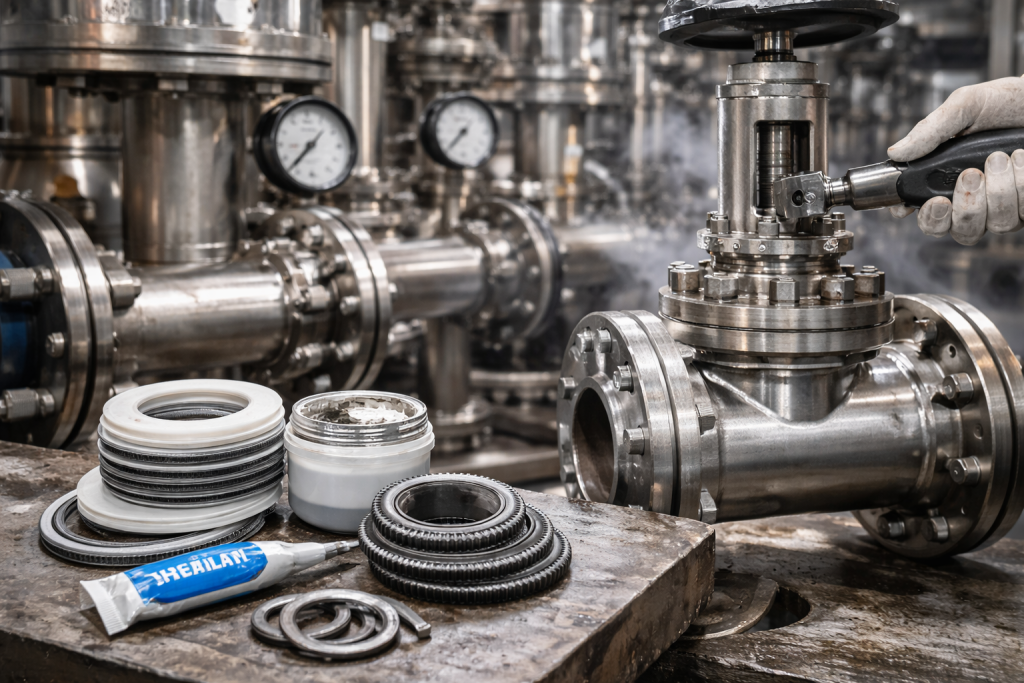
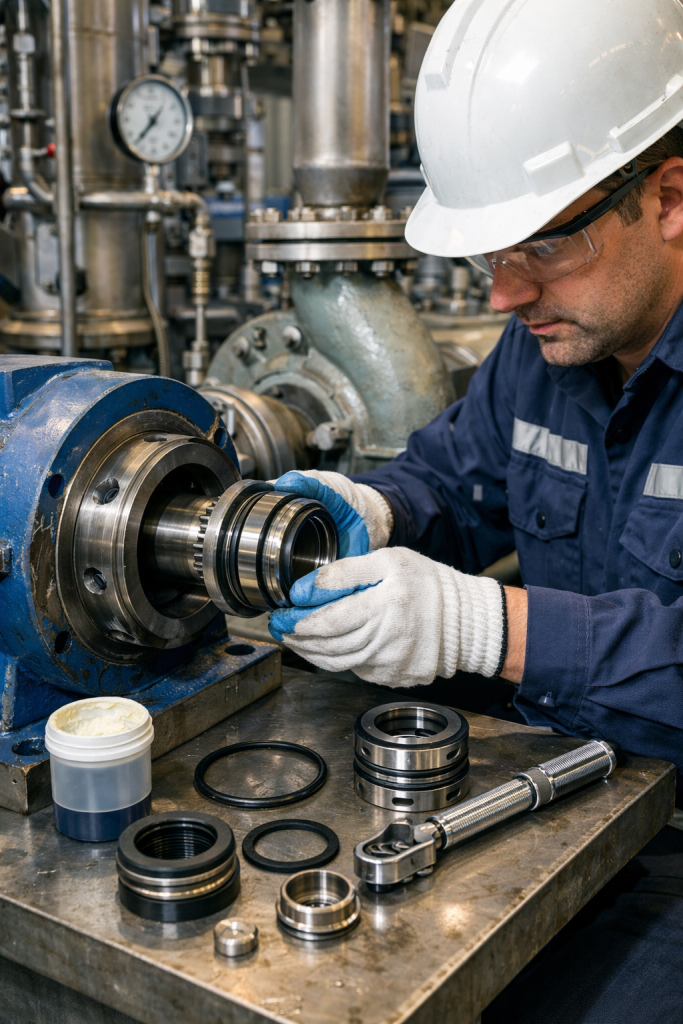
Sealing systems play a critical role in the safe and efficient operation of pumps and valves. Proper installation and regular maintenance of seals not only extend the service life of equipment but also prevent costly downtime, leakage, and safety hazards. This article provides practical guidance for engineers, maintenance technicians, and procurement specialists on sealing best practices, focusing on pumps and valves in industrial applications. 1. Understanding Seal Types and Applications Choosing the right seal is the foundation of long-term reliability. The most common types include: Each seal type has unique chemical and temperature limitations. Selecting materials compatible with the fluid type, operating pressure, and temperature is crucial to avoid premature

シーリングソリューションポンプとバルブの設置とメンテナンスのベストプラクティス 続きを読む »

産業用ベアリングのメンテナンスと長寿命化戦略:寿命延長のためのテクニック

Industrial bearings are critical components that directly influence the efficiency, reliability, and safety of machinery. Proper maintenance is essential to maximize bearing lifespan, reduce unplanned downtime, and lower total operating costs. This guide provides a comprehensive overview of maintenance strategies, practical techniques, and engineering considerations to extend bearing life in industrial applications. Understanding Bearing Wear and Failure Bearings fail primarily due to mechanical wear, lubrication issues, contamination, or misalignment. Understanding the root causes is key to designing a maintenance strategy: Suggested Figure: Bearing Failure Modes Diagram – fatigue, lubrication, contamination, misalignment Key Maintenance Techniques 1. Proper Lubrication Management Lubrication prevents friction, reduces heat generation, and minimizes wear: Suggested Chart: Lubrication

産業用ベアリングのメンテナンスと長寿命化戦略:寿命延長のためのテクニック 続きを読む »

OEMベアリング交換ソリューションとコスト最適化

OEM bearings are critical components in industrial machinery, ranging from conveyors and pumps to heavy-duty mining equipment and precision manufacturing systems. Over time, bearings wear out or fail, and replacement becomes necessary. While sourcing OEM parts ensures compatibility, it can be costly. This guide explores OEM bearing replacement strategies and cost optimization techniques for industrial applications, helping maintenance engineers and procurement teams reduce downtime and total ownership costs. Understanding OEM Bearing Replacement OEM (Original Equipment Manufacturer) bearings are designed to meet exact specifications of the original machinery. Replacing a worn or failed bearing with the OEM equivalent guarantees fit, tolerances, and material performance. Benefits of OEM Replacement Challenges Suggested Table:

OEMベアリング交換ソリューションとコスト最適化 続きを読む »

産業用ベアリング選択ガイド:高性能ベアリングの選び方

Introduction Bearings are fundamental components in virtually all industrial machinery, from hydraulic systems and conveyors to heavy mining equipment and precision manufacturing machines. The right bearing selection directly affects equipment reliability, operational efficiency, and maintenance costs. Conversely, improper selection can lead to premature failure, increased downtime, and significant financial losses. This guide provides an in-depth overview of key considerations for selecting high-performance industrial bearings, based on engineering principles, materials science, and practical application experience. Types of Industrial Bearings Industrial bearings are broadly categorized based on their construction, load capacity, and application environment: Suggested Chart: Table of Bearing Types vs Load & Speed Capabilities Bearing Type Load Type Speed Suitability Typical

産業用ベアリング選択ガイド:高性能ベアリングの選び方 続きを読む »

カスタムシール材の選択:NBR、FKM、PTFE、PUの技術比較

Introduction Material selection in custom sealing engineering is a multidisciplinary decision involving polymer chemistry, tribology, thermodynamics, and mechanical design. Seals operate under combined influences of pressure, temperature, chemical exposure, and dynamic motion. A mismatch between material properties and operating conditions often results in leakage, extrusion, compression set, chemical degradation, or accelerated wear. Among industrial sealing materials, NBR (Nitrile Butadiene Rubber), FKM (Fluoroelastomer), PTFE (Polytetrafluoroethylene), and PU (Polyurethane) represent four of the most commonly specified options. Although these materials may appear interchangeable in low-demand applications, their molecular structure and physical properties differ significantly. This article provides a structured technical comparison to support evidence-based material selection in custom seal design. NBR (Nitrile

カスタムシール材の選択:NBR、FKM、PTFE、PUの技術比較 続きを読む »

jaJapanese