Product Knowledge

Industrial Wire Rope Selection Guide: Load Capacity, Safety Factor, and Standards Explained

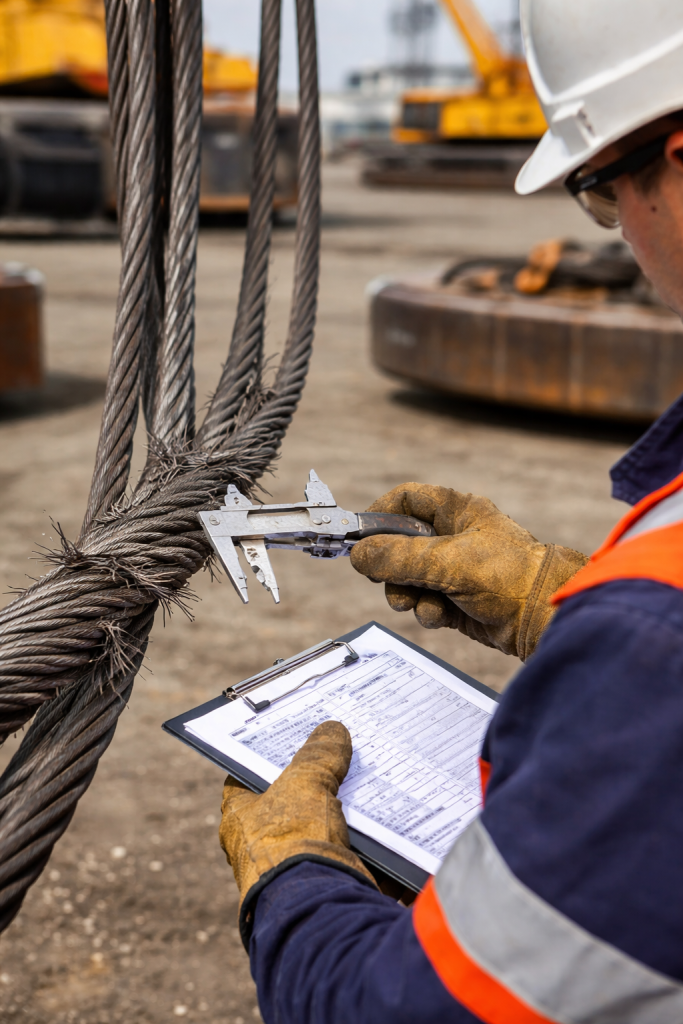
Wire ropes are fundamental load-bearing elements in lifting, hoisting, and mechanical handling systems. Despite their widespread use, wire rope selection is often reduced to basic diameter matching or catalog comparison. In real industrial environments, this simplified approach is a frequent source of premature wear, reduced service life, and in severe cases, safety incidents. Proper wire […]
Industrial Wire Rope Selection Guide: Load Capacity, Safety Factor, and Standards Explained Read More »

Bearing Failure Analysis: Early Warning Signs Engineers Should Not Ignore

Bearings are critical components in rotating machinery, yet they are often treated as standardized parts that can be replaced without deeper analysis. In real industrial environments, bearing failure is rarely an isolated event. It is usually the result of a chain of mechanical, thermal, and environmental factors acting over time. Understanding how bearing damage develops,

Bearing Failure Analysis: Early Warning Signs Engineers Should Not Ignore Read More »

Failure of Rope Fixtures at Each End: Causes, Analysis, and Prevention

1. Introduction Rope fixtures, including wire rope terminations and end fittings, are critical components in lifting, hoisting, and safety systems. Failures at the rope ends can lead to catastrophic accidents, equipment damage, and operational downtime. Understanding the causes and mechanisms of these failures is essential for engineers and maintenance professionals. 2. Common Causes of End-Fitting

Failure of Rope Fixtures at Each End: Causes, Analysis, and Prevention Read More »

What Does IWRC Mean in Industrial Wire Rope? Strength and Safety Analysis

In industrial lifting systems, abbreviations like IWRC, FC, and WSC appear frequently in rope specifications. Among them, IWRC is one of the most important for crane, mining, and heavy-duty applications. Understanding what IWRC means — and how it affects strength, fatigue resistance, and safety — is critical for engineers, maintenance teams, and procurement professionals. This

What Does IWRC Mean in Industrial Wire Rope? Strength and Safety Analysis Read More »

Top 10 Common Mistakes in Bearing Maintenance and How to Avoid Them

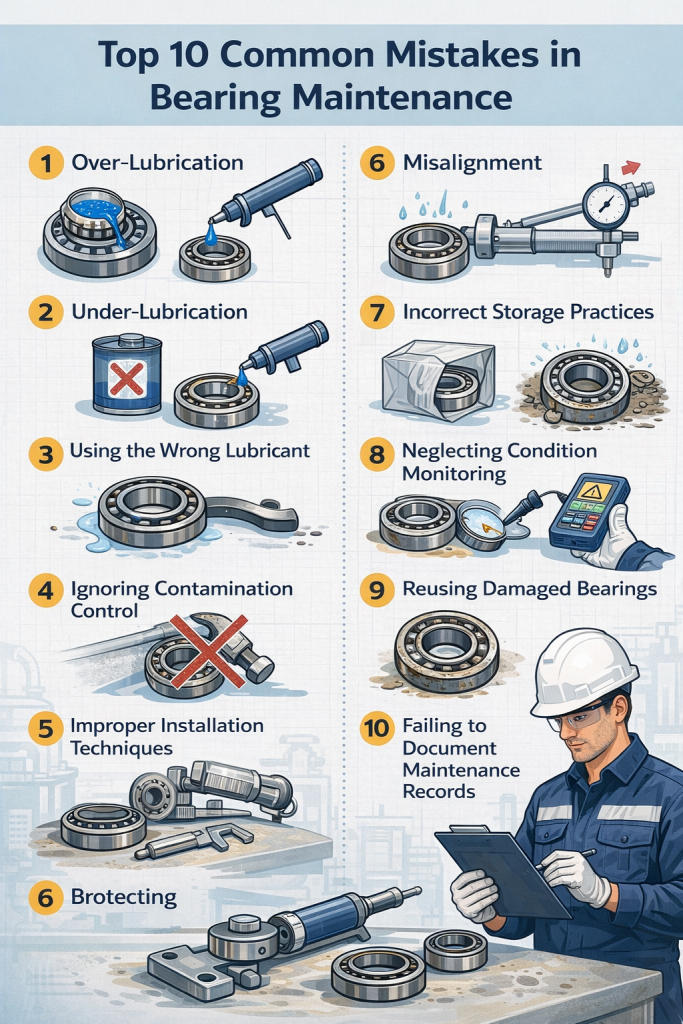
Bearings are critical components in rotating machinery. Whether installed in pumps, motors, conveyors, or gearboxes, their reliability directly affects equipment uptime, safety, and operating costs. Despite their importance, bearing failures are often caused not by product defects, but by improper maintenance practices. Based on field experience supporting industrial clients, this article outlines the ten most

Top 10 Common Mistakes in Bearing Maintenance and How to Avoid Them Read More »

Industrial Bearing Maintenance and Longevity Strategies: Techniques for Extending Service Life

Industrial bearings are critical components that directly influence the efficiency, reliability, and safety of machinery. Proper maintenance is essential to maximize bearing lifespan, reduce unplanned downtime, and lower total operating costs. This guide provides a comprehensive overview of maintenance strategies, practical techniques, and engineering considerations to extend bearing life in industrial applications. Understanding Bearing Wear

Industrial Bearing Maintenance and Longevity Strategies: Techniques for Extending Service Life Read More »

Corrosion Protection and Maintenance Strategies for Wire Ropes in Offshore Operations

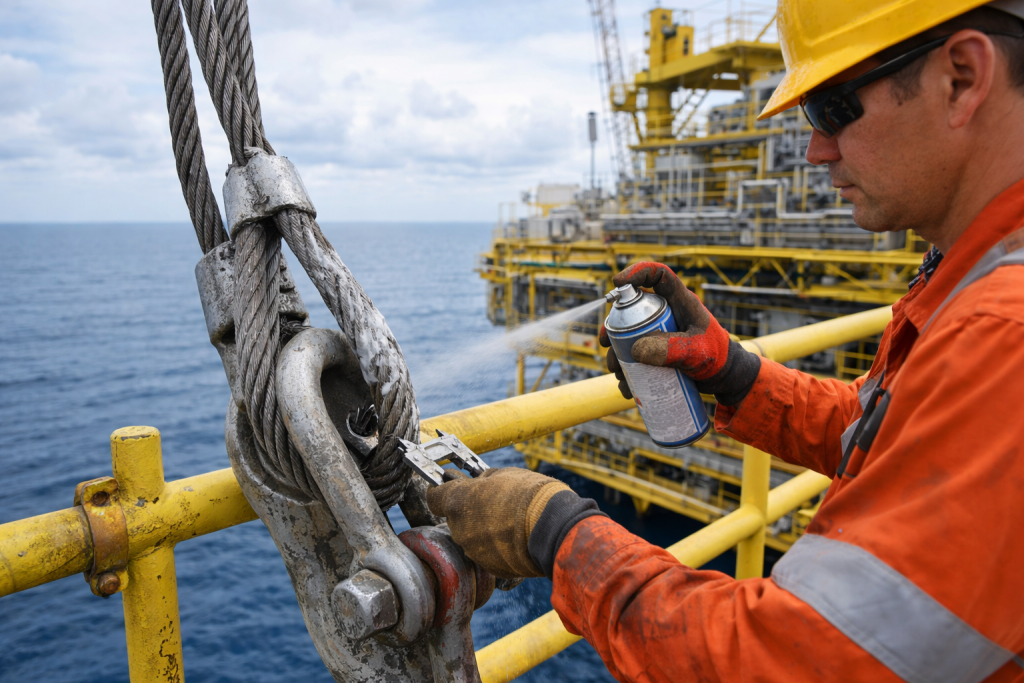
Wire ropes are essential components in offshore operations, including cranes, winches, mooring lines, and lifting equipment. The harsh marine environment exposes steel wire ropes to saltwater, humidity, strong winds, and variable temperatures, which accelerate corrosion and reduce their operational lifespan. Ensuring the durability and safety of wire ropes in offshore applications requires a comprehensive approach

Corrosion Protection and Maintenance Strategies for Wire Ropes in Offshore Operations Read More »

How to Determine When a Wire Rope Has Reached Its Replacement Cycle

Wire ropes are critical components in lifting, hoisting, and industrial applications. The safety and reliability of operations depend on the integrity of the wire rope, making timely replacement essential. Determining when a wire rope has reached the end of its service life requires a comprehensive evaluation of visible damage, operational history, environmental conditions, and manufacturer

How to Determine When a Wire Rope Has Reached Its Replacement Cycle Read More »

Crane Steel Wire Rope: Structure, Mechanics, and Engineering Selection Principles

1. Introduction Crane steel wire rope is a critical load-bearing component in lifting systems. In overhead cranes, gantry cranes, tower cranes, and offshore lifting equipment, the wire rope functions as the primary tensile member transferring loads between the hoisting drum and the hook assembly. Unlike rigid lifting components, steel wire rope offers flexibility combined with

Crane Steel Wire Rope: Structure, Mechanics, and Engineering Selection Principles Read More »

Single Lip vs Double Lip Seals: Contamination Protection and Pressure Handling

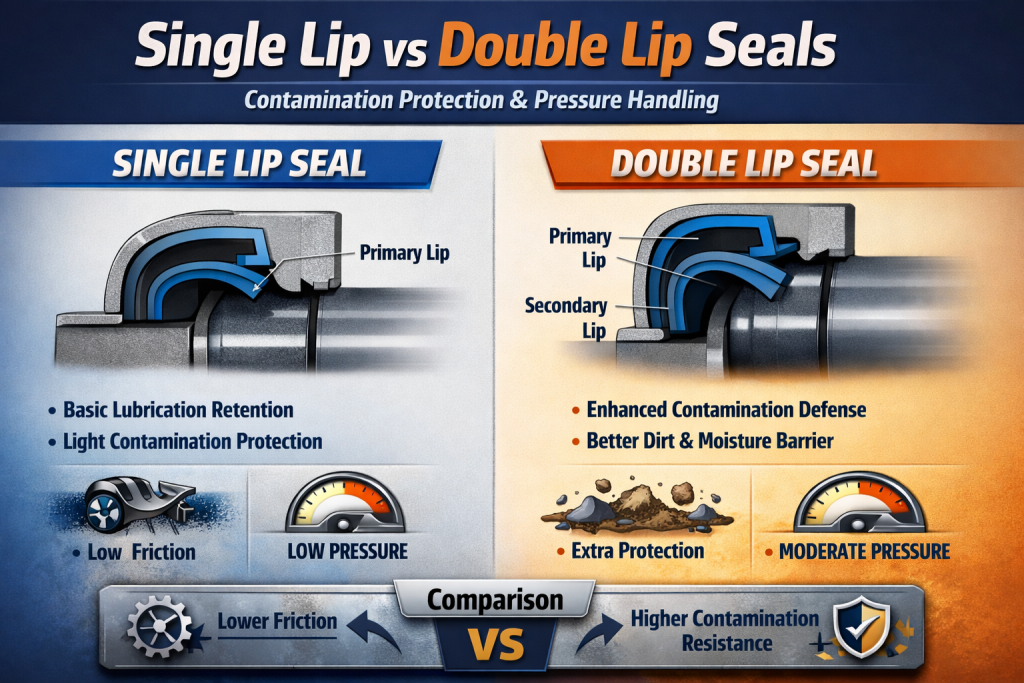
In industrial machinery, selecting the correct sealing solution directly impacts equipment reliability, leakage control, and contamination protection. Two widely used radial sealing designs are single lip seals and double lip seals. While both are designed to retain lubrication and exclude contaminants, their structural differences significantly affect performance in pressure and dirty environments. Understanding these differences

Single Lip vs Double Lip Seals: Contamination Protection and Pressure Handling Read More »

en_USEnglish