
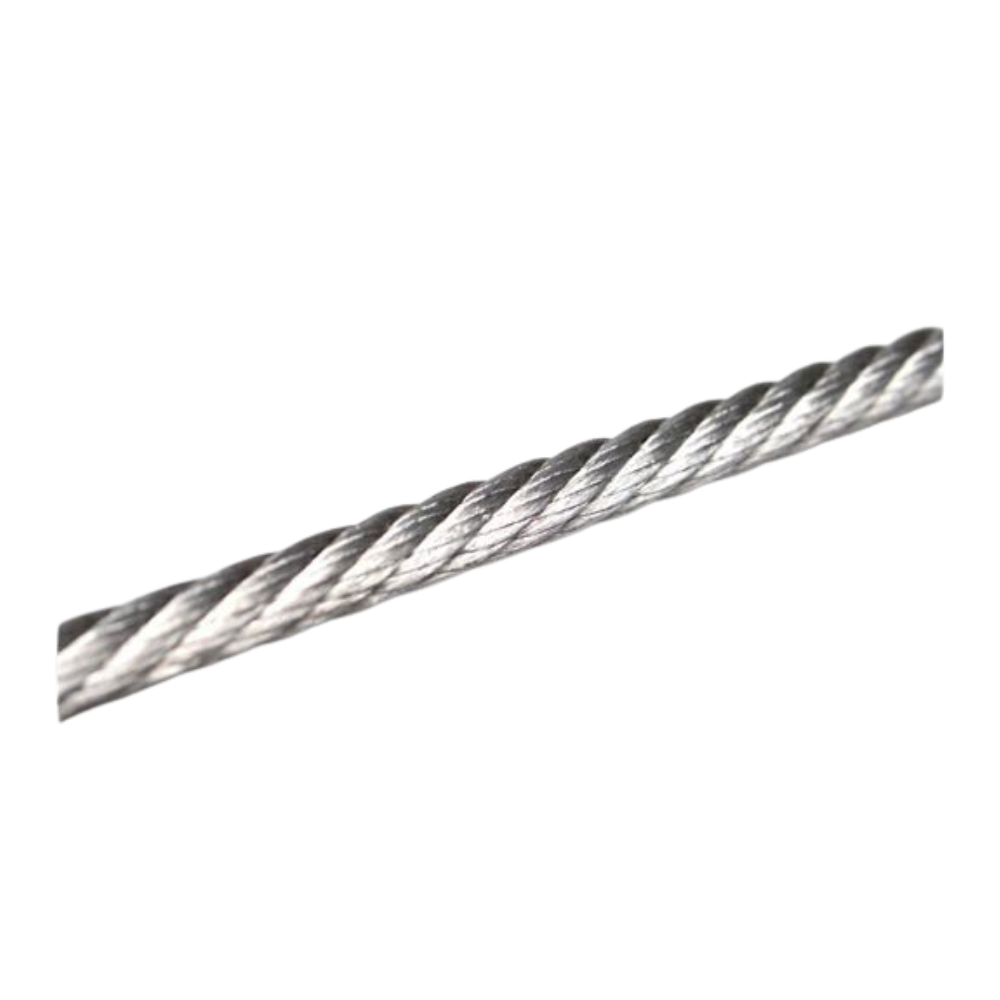
Wire ropes are critical components in offshore and marine operations. They are used in cranes, winches, mooring lines, lifting systems, and elevators. Reliable performance is essential for operational safety and efficiency. However, the marine environment presents unique challenges that can accelerate rope degradation and lead to failure. Understanding these challenges and how to mitigate them is essential for engineers, operators, and maintenance personnel.
1. Corrosion in Marine Environments
Marine environments expose wire ropes to high humidity, salt-laden air, and direct seawater contact. Saltwater can penetrate the rope strands and reach the core, causing localized corrosion. Over time, corrosion reduces the tensile strength of individual wires, leads to pitting, and accelerates fatigue. Even galvanized or coated ropes can become vulnerable if protective layers wear off due to friction or abrasion. Preventive measures include selecting corrosion-resistant materials such as stainless steel, applying protective coatings, and maintaining proper lubrication.
2. Mechanical Wear and Abrasion
Wire ropes in marine applications often operate over sheaves, drums, and pulleys. Continuous bending, friction, and contact with rough surfaces cause abrasion on the wire strands. This wear can flatten strands, expose internal wires to corrosion, and increase the risk of fatigue fractures. Misaligned sheaves, small drum diameters, or overloaded equipment exacerbate wear and reduce service life. Proper sheave sizing, alignment, and regular lubrication are key strategies to reduce abrasion.
3. Dynamic and Cyclic Loading
Ships, floating platforms, and offshore rigs are constantly influenced by waves, tides, and wind. Wire ropes used for mooring or lifting experience continuous tension and relaxation cycles. Even when loads are within nominal limits, repetitive loading induces internal fatigue. Fatigue often starts in the rope core, making early detection difficult. Using ropes designed for high-flexibility applications, proper load management, and periodic rotation of mooring or lifting lines can help distribute fatigue and extend rope life.
4. Environmental Contaminants
Environmental contaminants such as sand, silt, and marine organisms can accelerate rope degradation. Abrasive particles infiltrate the rope strands, increasing friction and accelerating wear. Organisms like barnacles and algae can attach to ropes and sheaves, increasing mechanical resistance and promoting localized corrosion. Regular cleaning and monitoring are necessary to minimize these risks, though access can be limited during offshore operations.
5. Improper Handling and Installation
Even high-quality ropes can fail prematurely if handled or installed incorrectly. Kinks, twists, or sharp bends introduce stress concentrations that reduce rope strength. In offshore operations, harsh weather and time constraints increase the likelihood of improper handling. End terminations, splices, and clamps must be installed precisely to ensure even load distribution. Training personnel and following manufacturer installation guidelines are essential to prevent failure.
6. Mitigation Strategies
To address these challenges, several strategies can be employed. Selecting appropriate materials such as stainless steel or high-quality galvanized ropes helps resist corrosion. Protective coatings and specialized lubricants reduce friction and wear. Rope construction, such as compacted strand or rotation-resistant designs, improves fatigue resistance. Proper sheave sizing, tension management, and alignment minimize mechanical stress. Finally, systematic inspection, maintenance, and replacement programs are essential for early detection of damage and to maintain operational safety.
7. Inspection and Maintenance Practices
Regular inspection is crucial for detecting wear, corrosion, and internal damage. Visual inspection focuses on broken wires, strand deformation, corrosion, and abnormal wear. Non-destructive testing methods such as magnetic rope testing or ultrasonic evaluation can reveal internal damage not visible externally. Scheduled replacement of ropes before catastrophic failure is a standard practice in offshore operations to ensure safety and reliability.
Conclusion
Wire ropes in offshore and marine applications face complex challenges due to corrosion, mechanical wear, cyclic loading, environmental contamination, and improper handling. Each factor contributes to reduced service life and an increased risk of failure if not properly managed. By selecting appropriate materials, optimizing rope design, applying protective measures, and implementing rigorous inspection and maintenance programs, operators can significantly enhance the reliability, safety, and longevity of wire ropes in marine environments. Understanding these challenges is critical for operational efficiency and cost-effectiveness in offshore industries.

 English
  Korean
  Japanese
  Russian
  Arabic
  Spanish
  German
  French
  Italian
  Portuguese
  Chinese
  Dutch
Dutch  Polish
  Czech
Czech  Hungarian
  Finnish
  Swedish
  Vietnamese
  Thai
Thai  Turkish