
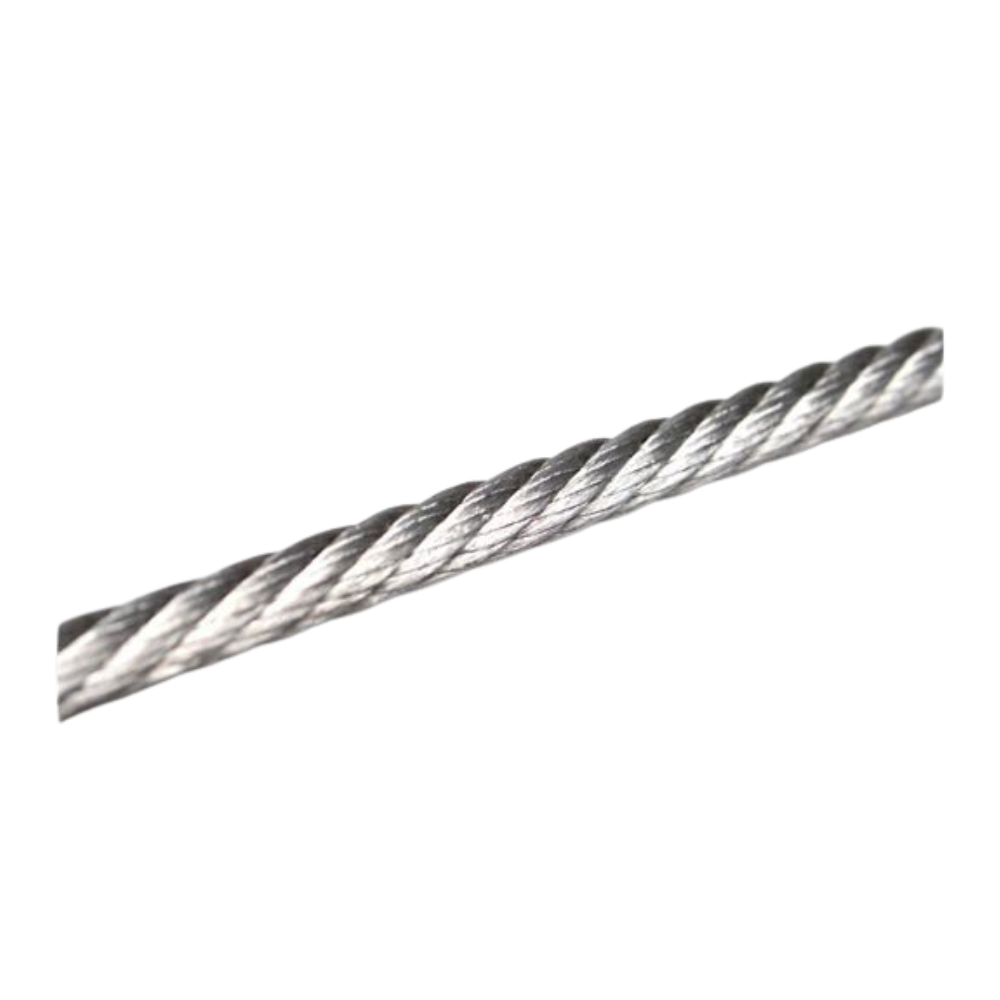
Wire ropes are widely used in cranes, hoists, elevators, marine systems, and heavy lifting equipment. While they are designed for high strength and flexibility, wire ropes are still vulnerable to fatigue over time. Fatigue failure is one of the most common causes of wire rope replacement and can lead to serious safety risks if not detected early.
Understanding the causes of wire rope fatigue and implementing preventive measures can significantly extend service life and improve operational safety.
1. Repeated Bending Over Sheaves and Drums
One of the primary causes of fatigue is cyclic bending. Each time a wire rope passes over a sheave or drum, the individual wires experience alternating stress.
Why it happens:
• Small sheave diameters increase bending stress
• High operating cycles accelerate metal fatigue
• Improper groove design causes uneven load distribution
Prevention:
• Use larger sheave and drum diameters
• Follow recommended D/d ratio (sheave diameter to rope diameter)
• Ensure proper groove profile and alignment
Proper design significantly reduces internal wire stress.
2. Excessive Load or Shock Loading
Operating beyond the rated working load limit causes accelerated fatigue.
Common issues:
• Overloading during lifting operations
• Sudden shock loads from abrupt starts or stops
• Dynamic loading in crane operations
Prevention:
• Always operate within rated capacity
• Use soft start systems to reduce shock
• Conduct load monitoring in critical applications
Consistent overloading drastically shortens rope life.
3. Poor Lubrication
Lubrication reduces friction between wires and strands. Without adequate lubrication, internal wear increases rapidly.
Effects of insufficient lubrication:
• Increased internal friction
• Corrosion development
• Accelerated wire breakage
Prevention:
• Apply appropriate wire rope lubricant regularly
• Ensure lubricant penetrates core and internal strands
• Use lubrication schedules based on usage intensity
Well-lubricated ropes experience less internal abrasion and fatigue.
4. Corrosion and Environmental Exposure
Corrosion weakens individual wires, making them more susceptible to fatigue cracking.
High-risk environments:
• Marine and offshore operations
• Chemical plants
• Outdoor construction sites
• Humid or salt-rich environments
Prevention:
• Use galvanized or stainless steel wire rope in corrosive settings
• Apply corrosion-resistant lubricants
• Store ropes properly when not in use
Corrosion fatigue can occur even under normal loads.
5. Improper Installation
Incorrect installation practices often lead to uneven stress distribution.
Common mistakes:
• Twisting during installation
• Incorrect spooling on drums
• Improper end termination
• Misalignment of sheaves
Prevention:
• Follow manufacturer installation guidelines
• Avoid sudden uncoiling or kinking
• Maintain proper fleet angle
• Inspect alignment regularly
Proper installation ensures uniform load sharing among strands.
6. Abrasion and Surface Wear
External abrasion reduces wire diameter and weakens the rope structure.
Causes:
• Contact with rough surfaces
• Misaligned sheaves
• Contaminants such as sand and debris
Prevention:
• Inspect rope path regularly
• Keep sheaves and drums clean
• Replace worn sheaves
• Select ropes with higher abrasion resistance for harsh applications
Abrasion often accelerates fatigue failure.
7. Bending Fatigue at End Fittings
High stress concentrations often occur near sockets, clamps, or terminations.
Prevention:
• Use properly designed end fittings
• Avoid sharp bends near terminations
• Inspect termination zones frequently
Localized fatigue frequently begins at these critical points.
8. Internal Strand Fatigue
Not all fatigue is visible externally. Internal wires may break first due to repeated stress cycles.
Detection methods:
• Magnetic rope testing
• Visual inspection for broken wires
• Diameter measurement for reduction
Regular inspection is essential for early detection.
9. Inadequate Maintenance and Inspection
Skipping inspection intervals allows fatigue damage to accumulate unnoticed.
Best practices:
• Follow industry inspection standards
• Replace rope after reaching discard criteria
• Train personnel in fatigue identification
Preventive maintenance reduces unexpected failures.
10. How to Extend Wire Rope Service Life
To minimize fatigue and maximize lifespan:
• Select the correct rope construction for the application
• Maintain proper lubrication
• Avoid overloading and shock loading
• Ensure correct sheave sizing
• Perform regular inspections
• Replace ropes before reaching critical failure
Wire rope fatigue is inevitable over time, but proactive design and maintenance significantly delay failure.
總結
Wire rope fatigue results from repeated bending, overloading, poor lubrication, corrosion, improper installation, and environmental factors. By understanding these causes and implementing preventive strategies, industries can enhance safety, reduce downtime, and lower replacement costs.
A structured inspection and maintenance program is the most effective way to manage fatigue risk and ensure reliable lifting operations.
 Chinese
  English
  Korean
  Japanese
  Russian
  Arabic
  Spanish
  German
  French
  Italian
  Portuguese
  Dutch
Dutch  Polish
  Czech
Czech  Hungarian
  Finnish
  Swedish
  Vietnamese
  Thai
Thai  Turkish