
Custom industrial components are essential for specialized machinery, high-performance equipment, and applications where standard parts cannot meet operational demands. Properly defining technical requirements is critical to ensure that the custom parts achieve the desired performance, durability, and reliability. Failure to specify requirements accurately can lead to operational inefficiencies, early wear, or complete component failure. This article provides a systematic approach to defining technical requirements for custom industrial components.
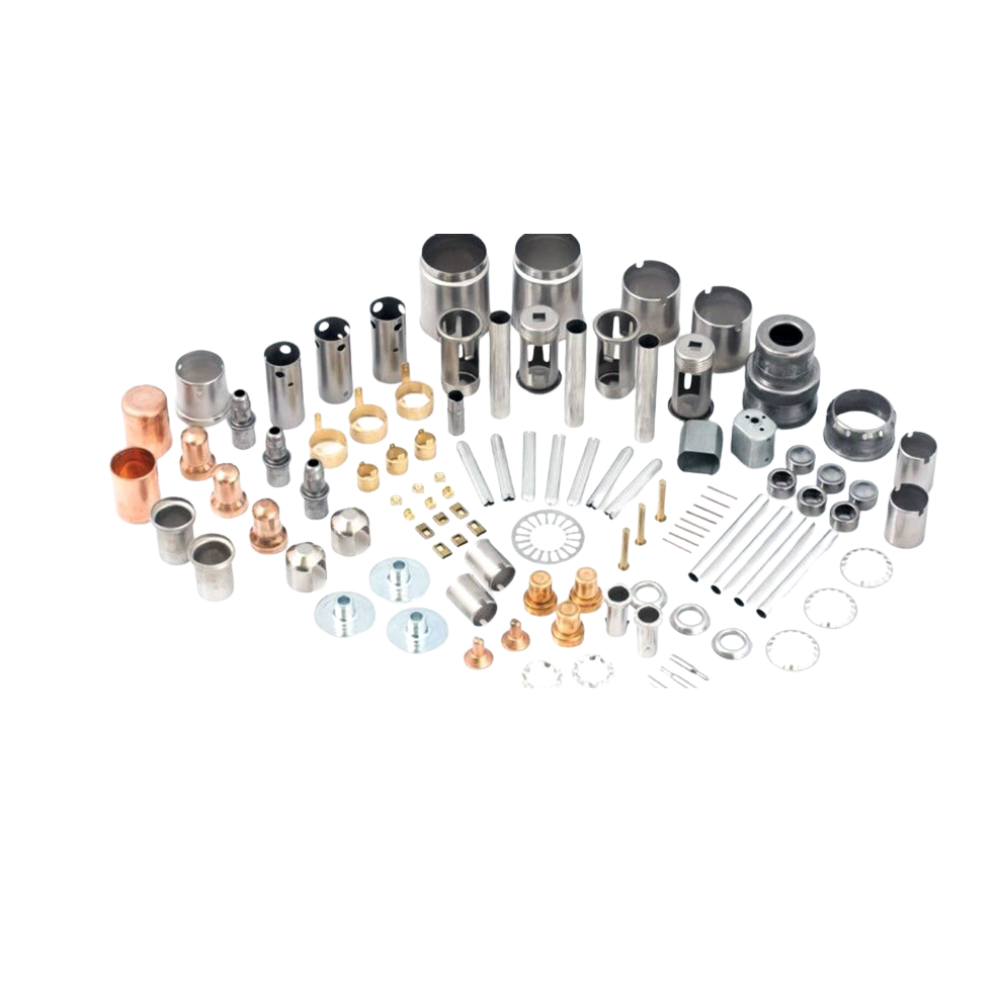
1. Understanding the Application and Operating Conditions
The first step in specifying technical requirements is a thorough understanding of the component’s intended application. Key questions include:
- What type of machinery or system will use the component?
- What operational loads and forces will it experience?
- Are there environmental factors such as temperature, humidity, or corrosive exposure?
- Will the component be subject to vibration, impact, or cyclic stresses?
By analyzing the application, engineers can define critical performance parameters such as load capacity, fatigue resistance, and dimensional tolerances. For example, a bearing used in a high-speed motor requires different material properties and lubrication compared to one used in a marine winch.
2. Material Selection
Material selection is a critical part of technical specification. The choice of material affects the component’s mechanical properties, wear resistance, corrosion resistance, and thermal stability. Factors to consider include:
- Mechanical properties: tensile strength, hardness, elasticity
- Wear and fatigue resistance
- Corrosion resistance for harsh or marine environments
- Thermal stability for high-temperature operations
Advanced materials such as stainless steel, alloyed steels, or ceramic composites may be necessary for components operating under extreme conditions. Specifying material standards and grades clearly ensures the manufacturer can meet performance expectations.
3. Dimensional and Geometric Requirements
Precision in dimensions and geometry is essential for custom components to function properly. Clear specifications should include:
- Exact dimensions and tolerances
- Surface finish requirements
- Geometric features such as grooves, threads, or flanges
- Alignment and concentricity requirements
Providing detailed CAD drawings, technical schematics, or 3D models greatly enhances the accuracy of the final component. Tolerances should be realistic based on manufacturing capabilities while ensuring proper performance in the final assembly.
4. Performance Criteria and Testing
Defining performance criteria ensures that the custom component meets operational expectations. Common criteria include:
- Load-bearing capacity and maximum working loads
- Rotational speed limits or linear motion specifications
- Wear and fatigue life
- Environmental resistance, including temperature, corrosion, and chemical exposure
Where possible, specify testing standards or protocols that the manufacturer should follow, such as ISO, ASTM, or industry-specific standards. This allows objective verification of the component’s quality and performance before deployment.
5. Surface Treatments and Coatings
Surface treatments can significantly enhance component performance and longevity. When specifying requirements, consider:
- Coatings for wear resistance, such as hard chrome or nitriding
- Corrosion protection, including galvanization or polymer coatings
- Lubrication requirements for moving parts
Clearly defining surface treatment processes helps prevent premature wear and ensures that the component meets environmental and operational demands.
6. Communication and Collaboration with Manufacturers
Effective communication with the manufacturer is essential for successful custom component development. Share all relevant information, including:
- CAD models, technical drawings, and material specifications
- Load cases and operating conditions
- Expected service life and maintenance considerations
- Testing and inspection requirements
Collaboration allows the manufacturer to provide feedback on feasibility, production methods, and potential design optimizations. Early engagement reduces errors, ensures manufacturability, and shortens development cycles.
7. Documentation and Quality Assurance
Finally, all technical requirements should be clearly documented in a specification sheet or technical datasheet. Documentation should include:
- Material and mechanical properties
- Dimensional tolerances and geometric details
- Surface treatments and coatings
- Performance criteria and testing standards
- Maintenance recommendations
Quality assurance processes, including incoming inspection, in-process checks, and final testing, should align with the documented requirements. Proper documentation ensures that the component meets design intent and operational needs.
Sonuç
Specifying technical requirements for custom industrial components is a systematic process that integrates application analysis, material selection, geometric precision, performance criteria, surface treatments, and effective collaboration with manufacturers. Clear and detailed specifications not only improve component reliability and performance but also reduce production errors, shorten development time, and lower operational risk. By following a structured approach, engineers and operators can ensure that custom components meet the demanding requirements of modern industrial machinery and applications.

 Turkish
  English
  Korean
  Japanese
  Russian
  Arabic
  Spanish
  German
  French
  Italian
  Portuguese
  Chinese
  Dutch
Dutch  Polish
  Czech
Czech  Hungarian
  Finnish
  Swedish
  Vietnamese
  Thai
Thai