
In modern industrial power systems, safety, reliability, and environmental protection have become critical considerations in electrical infrastructure design. Among various transformer technologies, dry-type power transformers have gained widespread adoption in factories, commercial buildings, renewable energy facilities, transportation systems, and data centers due to their superior safety characteristics and operational stability. Compared with traditional oil-immersed transformers, dry-type transformers significantly reduce fire hazards, environmental risks, and maintenance complexity, making them an important solution for modern industrial applications.
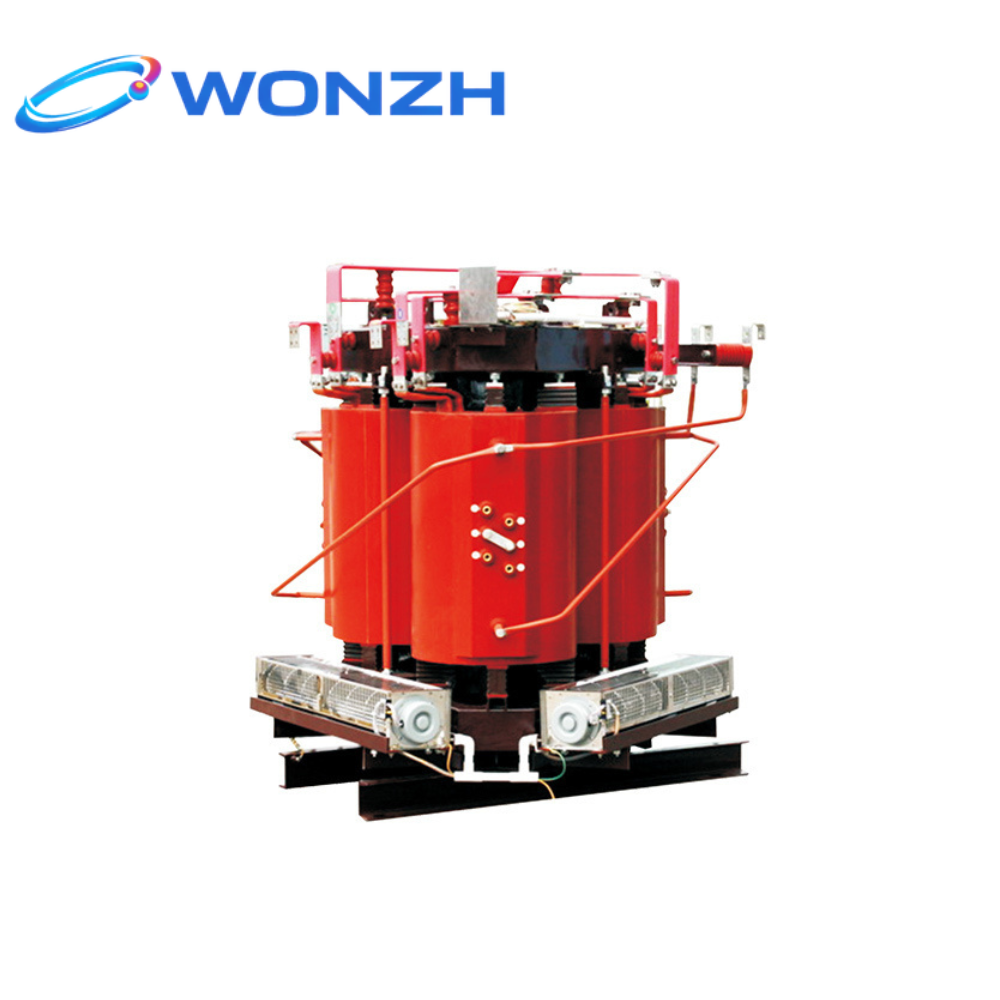
Introduction to Dry-Type Power Transformers
A dry-type transformer is a power transformer that uses air or solid insulation materials instead of insulating oil for cooling and electrical insulation. The windings are typically insulated using epoxy resin casting or vacuum pressure impregnation (VPI) technology, allowing the transformer to operate safely without combustible liquids.
Dry-type transformers are commonly installed indoors and are especially suitable for environments with strict fire protection requirements, such as:
- Üretim tesisleri
- Hastaneler
- Havaalanları
- Underground transportation systems
- Yüksek binalar
- Renewable energy facilities
- Semiconductor and data center applications
Their compact structure and reduced environmental impact make them highly compatible with modern industrial power distribution systems.
Reduction of Fire and Explosion Risks
One of the most important safety advantages of dry-type transformers is the elimination of flammable insulating oil. Traditional oil-immersed transformers contain mineral oil, which can ignite under electrical faults, overheating, or insulation failure. In industrial environments where high electrical loads and continuous operation are common, oil leakage and fire hazards pose significant risks to personnel and equipment.
Dry-type transformers greatly reduce these risks because:
- They do not contain combustible cooling oil
- They produce lower fire loads
- They minimize the possibility of oil explosions
- They reduce smoke and toxic gas generation during faults
This feature is particularly valuable in enclosed industrial spaces where evacuation and fire suppression can be challenging.
Enhanced Environmental Protection
Environmental safety is another major factor driving the adoption of dry-type transformers. Oil leakage from conventional transformers can contaminate soil, groundwater, and surrounding equipment. Industrial facilities increasingly face strict environmental regulations that require safer and cleaner electrical equipment.
Dry-type transformers contribute to environmental protection by:
- Eliminating oil leakage risks
- Reducing hazardous waste generation
- Lowering contamination risks in sensitive environments
- Supporting green building and sustainable energy projects
These advantages align well with modern industrial sustainability goals and renewable energy development strategies.
Improved Operational Safety in Harsh Industrial Environments
Industrial facilities often operate under demanding environmental conditions, including:
- High humidity
- Dust contamination
- Kimyasal maruziyet
- Mechanical vibration
- Temperature fluctuations
Modern dry-type transformers are designed with advanced insulation systems that provide excellent resistance to moisture, dust, and corrosive environments. Epoxy resin encapsulation protects transformer windings from external contaminants while maintaining strong dielectric performance.
As a result, dry-type transformers can maintain stable operation in:
- Kimyasal işleme tesisleri
- Mining facilities
- Marine environments
- Renewable energy stations
- Heavy manufacturing workshops
Their robust insulation structure reduces the probability of insulation breakdown and electrical faults, improving overall industrial safety.
Reduced Maintenance Requirements
Maintenance activities themselves can introduce operational risks in industrial power systems. Oil-immersed transformers require regular inspection of oil quality, leakage conditions, cooling systems, and fire protection measures. These procedures increase maintenance complexity and operational downtime.
Dry-type transformers simplify maintenance because they:
- Do not require oil replacement or testing
- Have fewer auxiliary systems
- Reduce leakage inspection requirements
- Provide easier visual inspection access
Lower maintenance frequency reduces human exposure to electrical hazards and improves system reliability in continuous industrial operations.
Better Indoor Installation Safety
Many modern industrial facilities require electrical equipment to be installed close to production areas due to limited space and efficient power distribution needs. Dry-type transformers are highly suitable for indoor installation because of their low fire risk and compact design.
They are commonly used in:
- Industrial automation systems
- Ticari binalar
- Clean rooms
- Veri merkezleri
- Semiconductor manufacturing facilities
In sensitive environments such as semiconductor production and precision electronics manufacturing, dry-type transformers also provide cleaner operation with lower contamination risks compared to oil-filled systems.
Support for Renewable Energy Integration
As industries increasingly adopt renewable energy systems such as solar and wind power, electrical infrastructure must adapt to new operational requirements. Dry-type transformers play an important role in renewable energy integration because they offer:
- High operational reliability
- Low environmental impact
- Safe operation in distributed energy systems
- Compatibility with indoor substations and compact installations
Their safety performance makes them especially suitable for urban renewable energy projects where fire prevention and environmental compliance are essential.
Technological Advancements in Dry-Type Transformer Design
Recent advancements in transformer technology have further improved the safety and efficiency of dry-type transformers. Modern systems may include:
- Intelligent temperature monitoring
- Partial discharge detection
- Digital protection systems
- Advanced cooling designs
- Low-loss magnetic core materials
These innovations enhance fault detection capabilities and improve predictive maintenance, helping industrial facilities prevent unexpected failures and maintain stable power distribution.
Sonuç
Dry-type power transformers have become a critical component of modern industrial electrical systems due to their excellent safety performance, environmental benefits, and operational reliability. By eliminating flammable insulating oil, reducing maintenance complexity, and improving resistance to harsh environments, dry-type transformers significantly enhance industrial safety standards.
As industries continue to prioritize sustainable development, energy efficiency, and workplace safety, dry-type transformer technology is expected to play an increasingly important role in future power distribution infrastructure. Their combination of safety, reliability, and environmental compatibility makes them a preferred solution for modern industrial and renewable energy applications.

 Turkish
  English
  Korean
  Japanese
  Russian
  Arabic
  Spanish
  German
  French
  Italian
  Portuguese
  Chinese
  Dutch
Dutch  Polish
  Czech
Czech  Hungarian
  Finnish
  Swedish
  Vietnamese
  Thai
Thai