
ลวดสลิง are essential components in the lifting and hoisting industry. Their performance directly impacts operational efficiency, equipment longevity, and the safety of personnel. Understanding the proper selection, installation, maintenance, and inspection of wire ropes is critical for minimizing risks and ensuring reliable operation. This article discusses key safety considerations, focusing on wire rope construction, material properties, installation practices, lubrication, and inspection techniques.
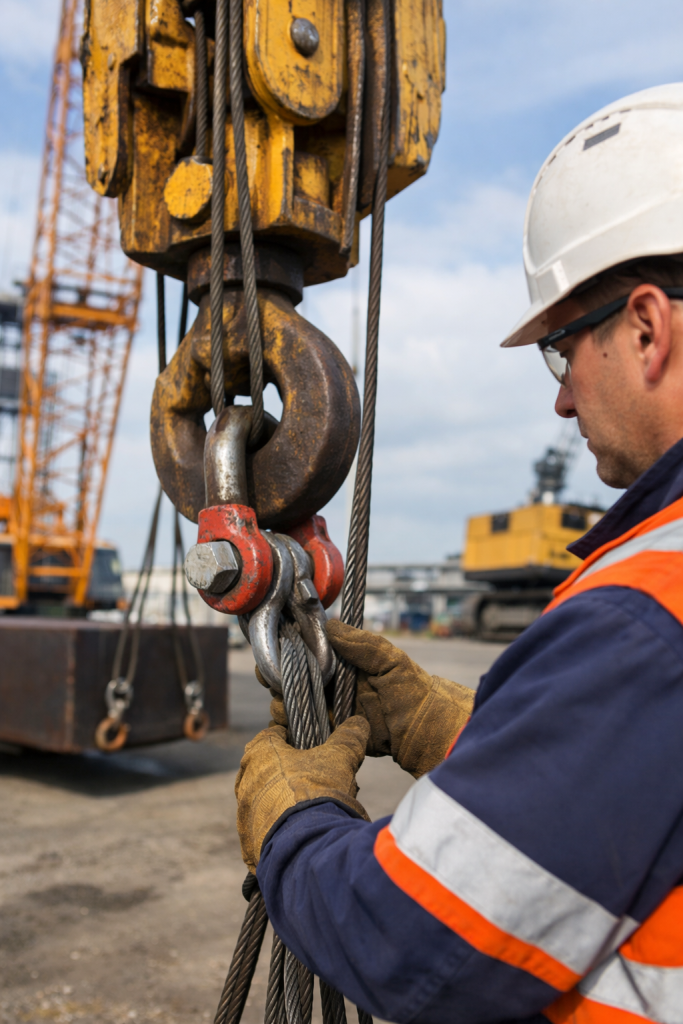
Wire Rope Selection and Construction
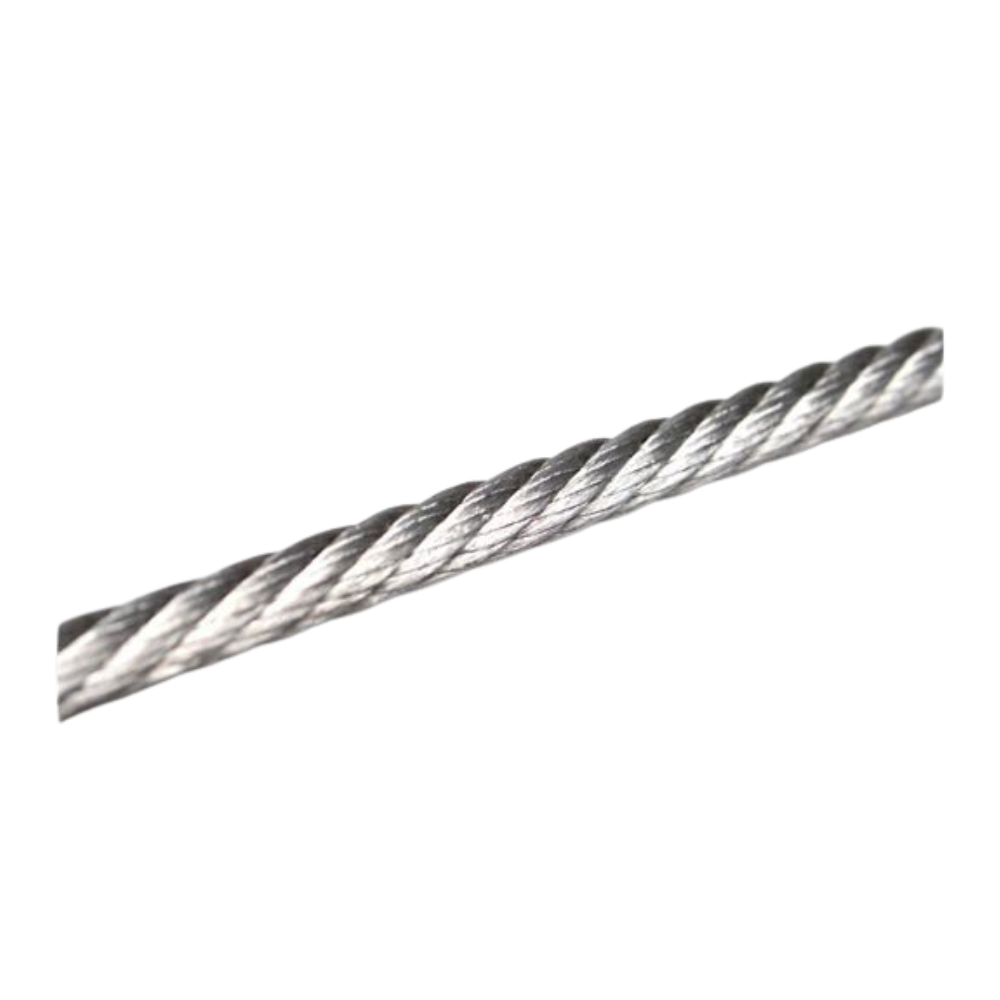
Selecting the appropriate wire rope is the first step in ensuring safe lifting operations. Wire ropes are available in various constructions, such as 7×19, 6×36, and 1×19. Each construction offers different levels of flexibility, fatigue resistance, and wear characteristics. For example, a 7×19 wire rope provides high flexibility and is suitable for hoists that require frequent bending over sheaves, while a 6×36 rope offers greater fatigue resistance for heavy-duty lifting. Improper selection can result in early wire breakage or catastrophic rope failure.
Material selection is equally important. Carbon steel wire ropes provide high strength and cost efficiency but are susceptible to corrosion in harsh environments. Stainless steel ropes excel in resisting corrosion and are ideal for marine or chemical applications. Galvanized wire ropes provide moderate corrosion protection and are suitable for general outdoor use. Consideration of environmental factors, including humidity, chemical exposure, and temperature extremes, is essential for maximizing rope lifespan.
Proper Installation Practices
Correct installation is critical for maintaining the designed load capacity of wire ropes. End terminations, such as sockets, thimbles, and clips, must be installed according to manufacturer specifications. Misaligned fittings or improper splicing can create stress concentrations, significantly reducing the rope’s strength.
The routing of wire ropes must minimize sharp bends and avoid small sheave diameters that exceed the manufacturer’s bending ratio recommendations. Excessive bending increases internal fatigue, leading to premature failure. Proper tensioning during installation ensures even load distribution across the rope, preventing localized wear and distortion. Additionally, operators should ensure that wire ropes are wound evenly on drums and pulleys to avoid overlapping or crushing strands.
Lubrication and Corrosion Protection
Lubrication plays a vital role in reducing internal friction and protecting wire ropes from corrosion. Effective lubrication minimizes strand-to-strand wear, facilitates smoother operation, and extends service life. The choice of lubricant should correspond to environmental conditions, temperature, and rope construction. In marine or chemical environments, specialized lubricants with enhanced corrosion inhibitors are recommended.
Corrosion protection can be further enhanced through material selection and coatings. Galvanized coatings or stainless steel constructions reduce susceptibility to environmental damage. In high-corrosion environments, routine cleaning and re-lubrication are necessary to maintain rope integrity.
Inspection and Maintenance
Regular inspection is critical for preventing accidents and maintaining safe operation. Visual inspections should identify broken wires, corrosion, kinking, crushing, or excessive wear at contact points. The frequency of inspections depends on usage intensity and environmental exposure, with high-load or corrosive environments requiring more frequent checks.
Advanced inspection techniques, such as magnetic flux or acoustic testing, can detect internal damage not visible externally, providing an additional safety layer. Operators must strictly adhere to load limits, avoid shock loading, and ensure correct drum winding practices. Implementing a structured maintenance program that includes routine lubrication, cleaning, and replacement based on wear or damage ensures reliable operation throughout the wire rope’s service life.
Operational Safety and Risk Mitigation
Safe wire rope operation also depends on operator training and adherence to industry standards. Personnel should be trained to recognize early signs of wear, apply correct handling techniques, and follow established lifting procedures. Proper storage, avoiding sharp bends during transport, and protecting wire ropes from chemical exposure further reduce risks.
In addition, implementing load monitoring and safety devices, such as overload alarms and tension indicators, enhances operational safety. By integrating inspection data, maintenance schedules, and environmental monitoring, organizations can proactively manage risks associated with wire rope operation.
สรุป
Wire ropes are indispensable in lifting and hoisting applications, and their safe use requires a combination of proper selection, installation, lubrication, and inspection. Understanding construction types, material properties, and environmental impacts allows operators to prevent failures, extend rope life, and ensure personnel safety. By following industry standards, implementing systematic maintenance programs, and providing operator training, organizations can achieve reliable and safe lifting operations. Continuous monitoring, combined with advanced inspection techniques, ensures that wire ropes perform efficiently throughout their service life, reducing operational risks and enhancing overall workplace safety.
 Thai
Thai  English
  Korean
  Japanese
  Russian
  Arabic
  Spanish
  German
  French
  Italian
  Portuguese
  Chinese
  Dutch
Dutch  Polish
  Czech
Czech  Hungarian
  Finnish
  Swedish
  Vietnamese
  Turkish