
Sealing systems play a critical role in the safe and efficient operation of pumps and valves. Proper installation and regular maintenance of seals not only extend the service life of equipment but also prevent costly downtime, leakage, and safety hazards. This article provides practical guidance for engineers, maintenance technicians, and procurement specialists on sealing best practices, focusing on pumps and valves in industrial applications.
1. Understanding Seal Types and Applications
Choosing the right seal is the foundation of long-term reliability. The most common types include:
- O-Rings: Ideal for static or low-pressure applications; typically made from nitrile (NBR), fluoroelastomer (FKM), or silicone.
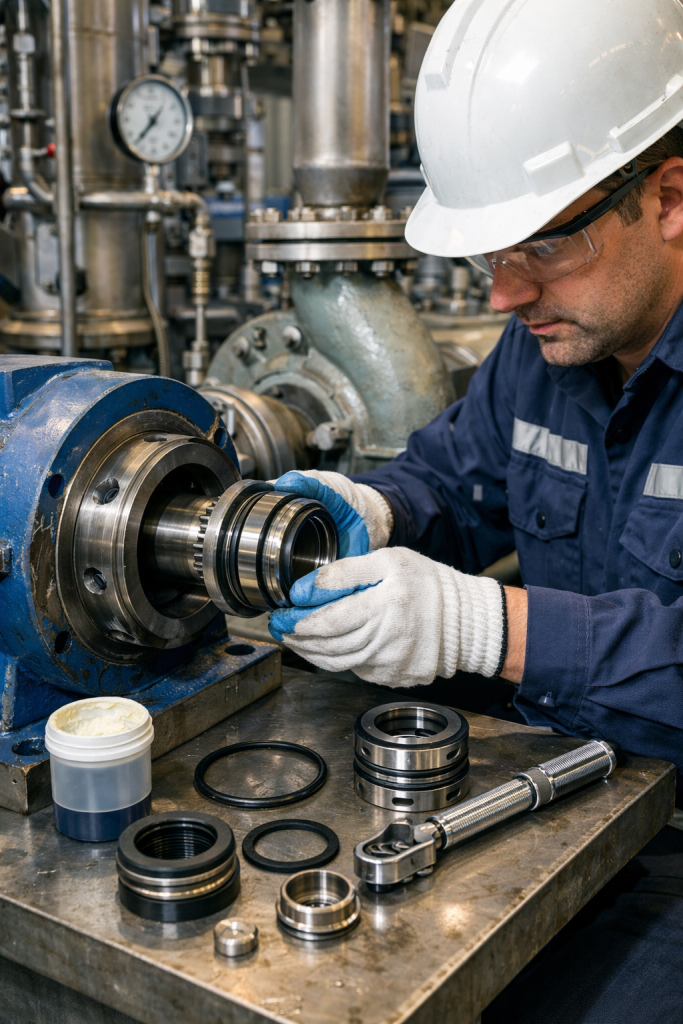
- Mechanical Seals: Suitable for rotating equipment such as centrifugal pumps; available in single and double configurations.
- Gasket Seals: Used in flanged connections for valves and pumps; materials vary from PTFE to compressed non-asbestos sheets.
- Lip Seals: Designed for dynamic sealing, commonly found in shafts or actuators.
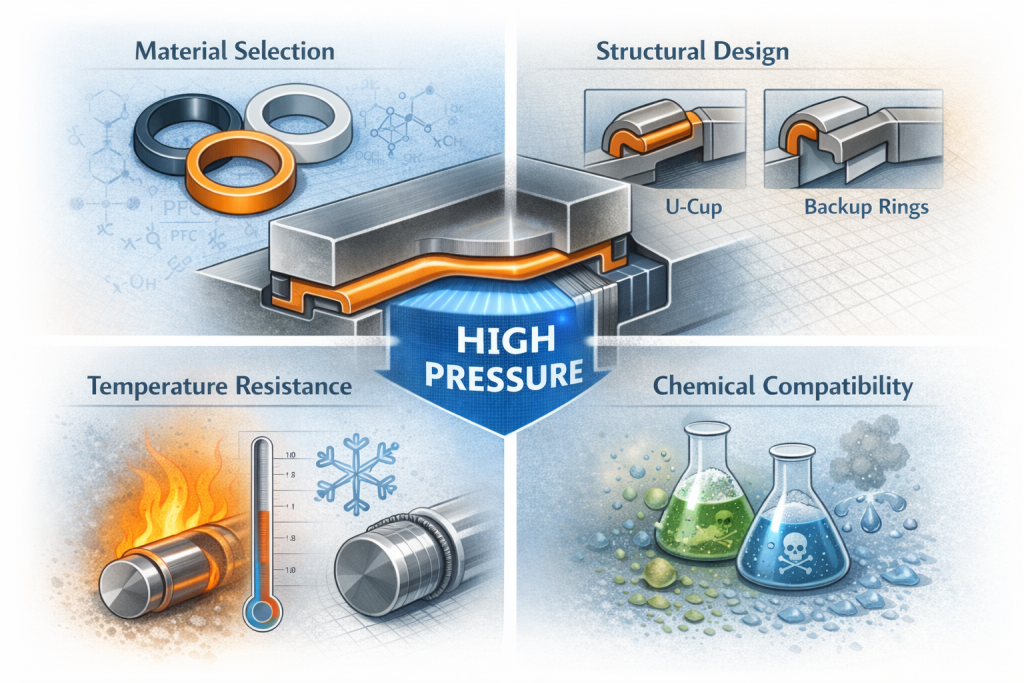
Each seal type has unique chemical and temperature limitations. Selecting materials compatible with the fluid type, operating pressure, and temperature is crucial to avoid premature failure.
2. Installation Best Practices
Proper installation ensures seal longevity and prevents operational failures:
- Inspect Components: Always examine shafts, housings, and mating surfaces for scratches, burrs, or wear before installation.
- Clean Surfaces: Remove dirt, grease, and debris; even minor contamination can lead to leaks.
- Use Lubrication: Apply a thin layer of compatible lubricant to reduce friction during assembly.
- Correct Alignment: Ensure shafts, pumps, and valves are properly aligned; misalignment increases wear on seals.
- Follow Manufacturer Guidelines: Adhere strictly to torque specifications, insertion depth, and orientation requirements.
ตัวอย่างกรณี: In a chemical processing plant, improper mechanical seal alignment led to early leakage after just two weeks. Realigning the pump and reinstalling the seal following manufacturer specifications extended the seal life by over six months.
3. Maintenance Tips
Even the best-installed seals require periodic inspection and maintenance:
- Regular Visual Inspection: Check for leaks, wear, or surface damage.
- Scheduled Replacement: Replace seals proactively based on manufacturer recommendations or operating hours rather than waiting for failure.
- Monitor Equipment Performance: Sudden vibration, noise, or pressure drop may indicate seal degradation.
- Record Keeping: Maintain detailed logs of seal type, installation date, operating conditions, and maintenance actions.
4. Material Considerations
Selecting the right seal material is essential for performance and reliability:
| ประเภทของซีล | วัสดุ | Best For | ช่วงอุณหภูมิ | ความต้านทานต่อสารเคมี |
|---|---|---|---|---|
| O-Ring | เอ็นบีอาร์ | Water, oils | -40°C to 100°C | Moderate |
| O-Ring | FKM | Oils, acids, solvents | -20°C to 200°C | High |
| Mechanical Seal | Carbon/Ceramic | Centrifugal pumps | -50°C to 180°C | High |
| Gasket | พีทีเอฟอี | Aggressive chemicals | -100°C to 260°C | Very High |
Material selection should account for temperature fluctuations, pressure spikes, and chemical compatibility to prevent early degradation.
5. Summary
Seals are a small but critical component in pumps and valves. Proper selection, installation, and maintenance can prevent leakage, extend equipment life, and improve operational safety. By following manufacturer guidelines, inspecting components regularly, and choosing materials suited to the application, industrial operators can ensure high performance and reliability.
At WONZH Precision Manufacturing, we combine engineering expertise and hands-on experience to provide high-quality sealing solutions tailored for pumps, valves, and other critical industrial equipment.
 Thai
Thai  English
  Korean
  Japanese
  Russian
  Arabic
  Spanish
  German
  French
  Italian
  Portuguese
  Chinese
  Dutch
Dutch  Polish
  Czech
Czech  Hungarian
  Finnish
  Swedish
  Vietnamese
  Turkish