
High-pressure valves are critical components in chemical, oil & gas, power generation, and process industries. Leakage in these systems can result in safety hazards, environmental contamination, operational inefficiency, and costly downtime. Proper design, material selection, installation, and maintenance practices are essential to ensure leak-free operation.
This guide outlines practical strategies to prevent leakage in high-pressure valve systems, drawing on industry standards, field experience, and engineering best practices.
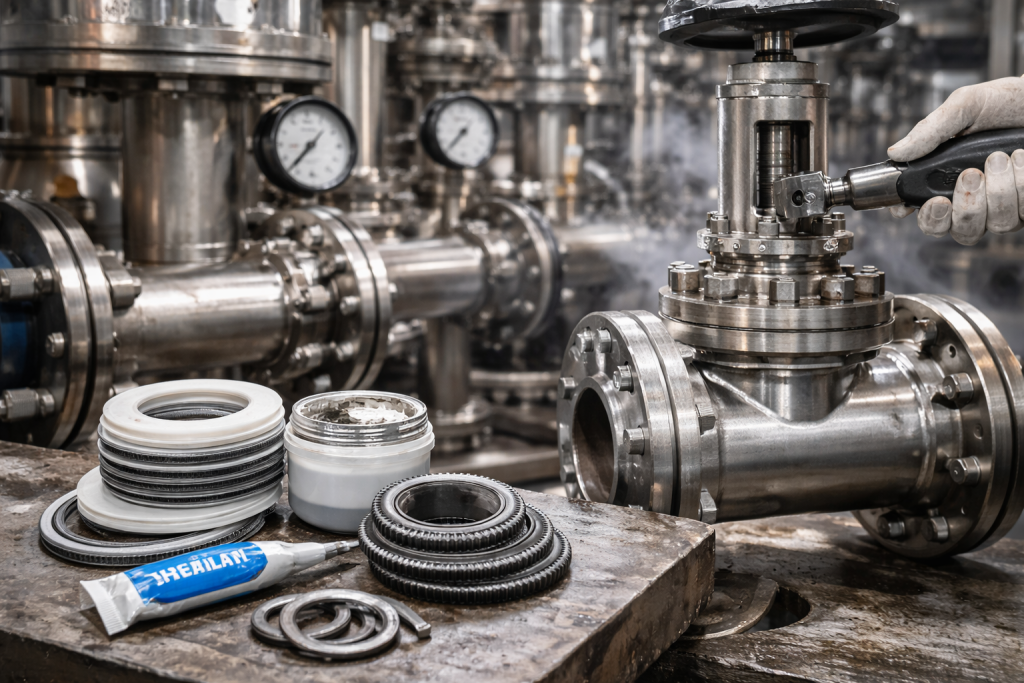
1. Understanding the Causes of Valve Leakage
Leakage in high-pressure valves can be categorized into:
- Stem leakage: Past the packing or stem seal.
- Seat leakage: Between the valve seat and disc/ball/gate.
- Body leakage: Through cracks or flange connections.
Common root causes include:
- Improper material selection
- Thermal cycling or pressure spikes
- Corrosion or erosion
- Mechanical wear
- Improper installation or torqueing
By identifying the source, operators can apply targeted mitigation strategies.
2. Proper Material Selection
Selecting the right materials for valve components is crucial:
- Seals and gaskets: Use materials resistant to chemical attack, temperature extremes, and high pressure. Examples include PTFE, graphite, and high-performance elastomers.
- Valve body and trim: High-strength alloys such as stainless steel, duplex steel, or corrosion-resistant coatings are recommended for high-pressure, aggressive fluid environments.
- Packing and stem seals: Use materials rated for the specific pressure and temperature range; multi-ring graphite packing is common for high-temperature or high-pressure service.
Material compatibility ensures long-term seal integrity and reduces the risk of thermal or chemical degradation.
3. Precision Installation Practices
Even the best materials can fail if valves are improperly installed:
- Surface preparation: Ensure flange faces, valve seats, and stem surfaces are clean and free of burrs or debris.
- Proper torqueing: Use torque wrenches and follow manufacturer specifications for bolts to avoid over- or under-tightening.
- Alignment: Ensure flanges, stems, and actuators are properly aligned to prevent uneven stress on seals and gaskets.
- Thread sealants: Use PTFE tape or liquid sealants where appropriate, but avoid excessive use that can interfere with valve operation.
Correct installation minimizes stress on sealing components and improves performance under high pressure.
4. High-Quality Sealing Solutions
4.1 Mechanical Seals
Mechanical seals provide reliable containment for high-pressure applications:
- Single or double seal configurations can handle extreme pressure and temperature.
- Cartridge-style seals simplify installation and reduce errors.
4.2 Soft and Metal-to-Metal Seats
- Soft seats (PTFE, elastomer) offer tight sealing at low pressure but may degrade under high temperature or aggressive fluids.
- Metal-to-metal seats withstand high pressure and temperature but require precise machining and proper alignment.
4.3 Stem Packing
- Multi-ring graphite or PTFE packing ensures long-term seal performance for rising-stem valves.
- Proper lubrication reduces friction and prevents packing wear.
5. Routine Inspection and Maintenance
Regular monitoring prevents leaks before they escalate:
- Visual inspection: Look for dripping, staining, or seepage around valves.
- Torque check: Verify bolts and gland nuts are within specified torque.
- Seal replacement: Follow a preventative replacement schedule based on operating hours, temperature, and pressure cycles.
- Operational testing: Conduct periodic pressure testing to detect minor leaks early.
Maintaining detailed logs of maintenance and inspection activities supports proactive leak management.
6. Managing Operational Conditions
Pressure spikes, vibration, and thermal cycling are leading contributors to leakage:
- Use pressure relief valves or surge tanks to mitigate spikes.
- Minimize rapid temperature changes to prevent thermal stress.
- Install vibration dampers or isolation mounts if the valve is subject to mechanical vibration.
Managing these operational factors reduces stress on seals and seats.
7. Compliance with Industry Standards
High-pressure valve systems should comply with established standards to ensure safety and reliability:
- **API standards for valve design and testing.
- **ASME codes for pressure vessels and piping.
- **ISO standards for quality and materials.
Following recognized standards improves reliability and demonstrates regulatory compliance.
8. Best Practices Summary
- Select corrosion-resistant materials for body, seats, and seals.
- Use precision installation methods, torque control, and alignment verification.
- Apply high-quality packing, gaskets, and mechanical seals suitable for operating pressure.
- Implement regular inspection, monitoring, and preventive maintenance schedules.
- Mitigate operational stresses such as pressure surges, vibration, and thermal cycling.
- Adhere to international standards for design, testing, and maintenance.
Slutsats
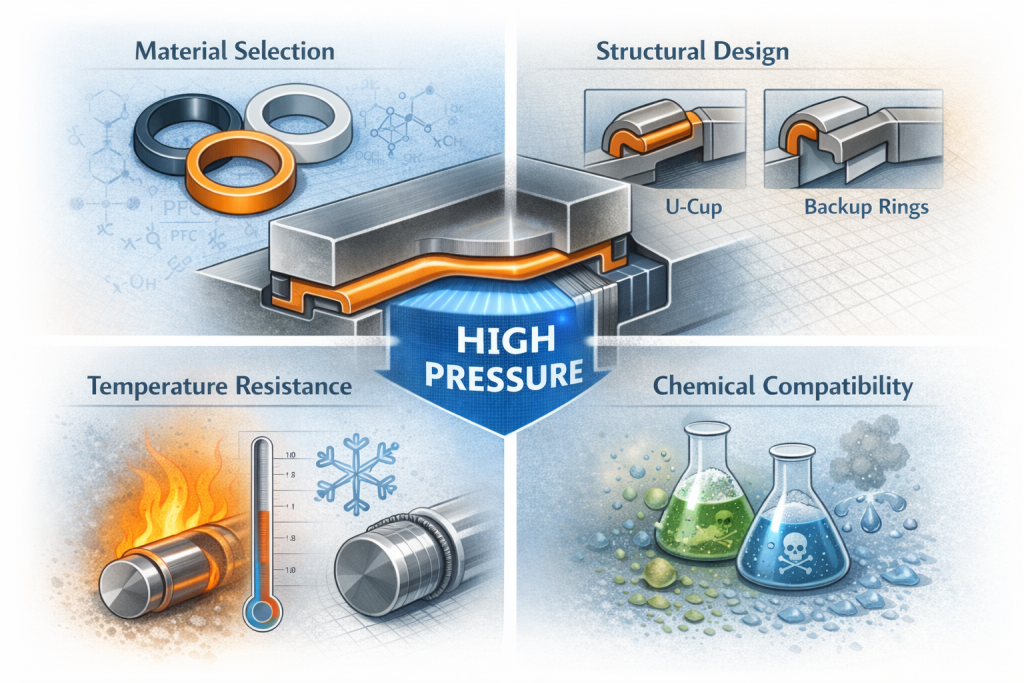
Leakage prevention in high-pressure valve systems requires a combination of proper material selection, precision installation, high-quality sealing solutions, and disciplined maintenance practices. By addressing both the technical and operational aspects of valve management, industrial operators can reduce downtime, protect personnel and equipment, and ensure safe and efficient operation.
At WONZH Precision Manufacturing, we provide engineered valve sealing solutions, expert consultation, and maintenance guidance for high-pressure industrial systems.
 Swedish
  English
  Korean
  Japanese
  Russian
  Arabic
  Spanish
  German
  French
  Italian
  Portuguese
  Chinese
  Dutch
Dutch  Polish
  Czech
Czech  Hungarian
  Finnish
  Vietnamese
  Thai
Thai  Turkish