
Heavy-duty hoists and lifting equipment are critical in industries such as construction, mining, manufacturing, and logistics. Designing these systems requires careful attention to load capacity, safety, durability, and operational efficiency. Proper engineering ensures reliable performance, minimizes downtime, and protects both operators and equipment.
1. Load Capacity and Safety Factors
- Determine maximum load requirements for both static and dynamic conditions.
- Apply safety factors according to industry standards to account for unexpected loads and shocks.
- Consider 부하 분산 for multi-leg hoisting arrangements to prevent uneven stress.
- Overloading is one of the primary causes of equipment failure; accurate capacity calculation is essential.
2. Wire Rope and Chain Selection
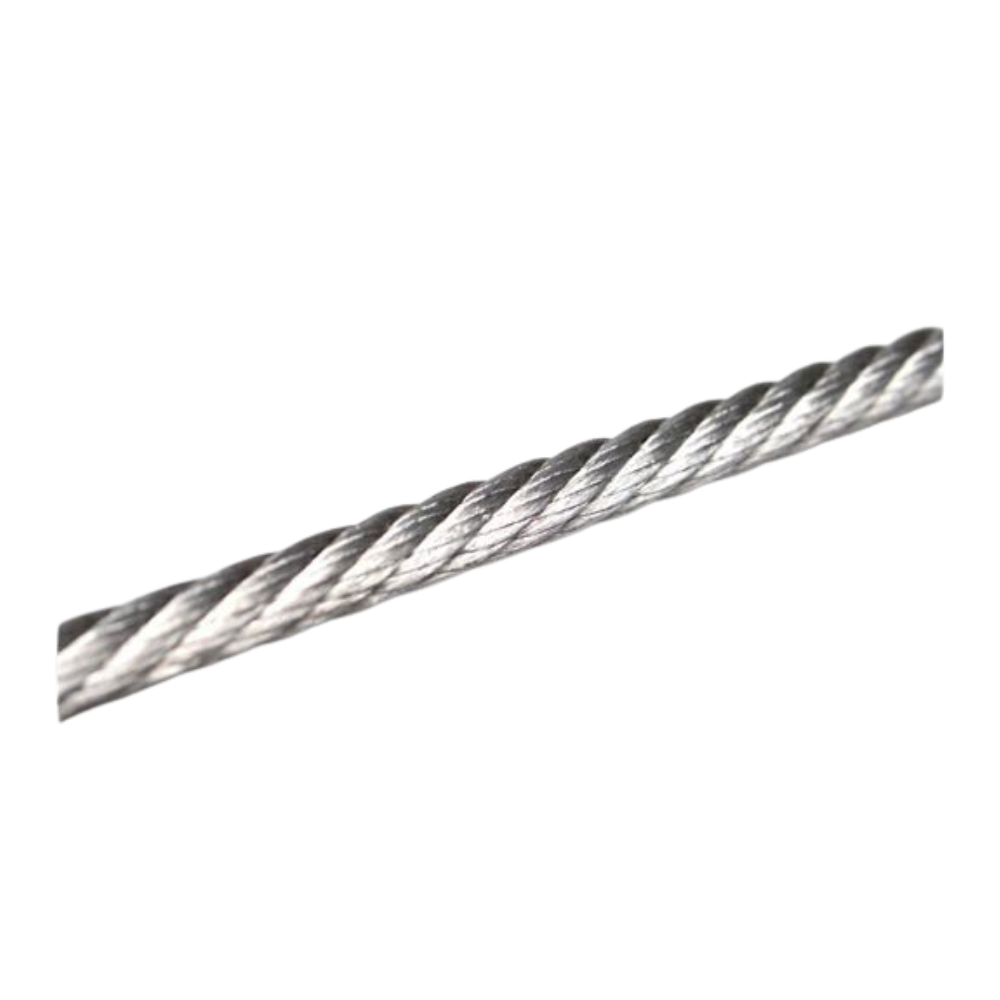
- 와이어 로프 offer flexibility, high tensile strength, and fatigue resistance for long spans and repeated lifting.
- Chain slings provide abrasion resistance and high load-bearing capability for short lifting cycles.
- Selection depends on lifting height, speed, environmental exposure, and maintenance capabilities.
- Consider preformed wire ropes or alloy steel chains for heavy-duty or corrosive environments.
3. Hoist Mechanism Design
- Manual Hoists: Suitable for lighter loads and low-frequency applications; cost-effective but limited speed and safety features.
- Electric Hoists: Provide precise load control, higher efficiency, and reduced manual labor; must include overload protection and emergency stop mechanisms.
- Hydraulic Hoists: Ideal for extremely heavy loads; offer smooth lifting and high force, but require proper hydraulic system design and maintenance.
4. Drum and Sheave Design
- Use proper sheave diameter to rope diameter ratio (D/d ratio) to reduce bending fatigue.
- Ensure grooves are properly shaped to distribute load evenly and prevent rope damage.
- Select drum material and surface finish to minimize friction and wear on wire ropes.
5. Bearing and Lubrication Considerations
- Bearings in lifting equipment experience high radial and axial loads.
- Choose high-load capacity bearings and ensure proper lubrication.
- For high-speed hoist drums, consider oil-lubricated or grease-lubricated bearings depending on operational speed and maintenance practices.
- Implement temperature and vibration monitoring to prevent premature failure.
6. Braking Systems
- Load-holding brakes prevent accidental lowering or uncontrolled movement.
- Emergency brakes act in case of power failure or mechanical malfunction.
- Braking system design must consider load weight, lifting speed, and usage frequency.
7. 환경 및 운영 요인
- Outdoor or offshore environments may expose equipment to corrosion, moisture, and extreme temperatures.
- 사용 stainless steel, galvanized components, or corrosion-resistant coatings for critical parts.
- Design for dust, sand, or chemical exposure with sealed bearings and protective covers.
8. Control and Safety Features
- Incorporate limit switches to prevent over-travel of hooks.
- 사용 load sensors to monitor overload conditions in real time.
- Provide operator-friendly controls for precise load handling.
- Include emergency stop mechanisms and fail-safe interlocks.
9. Maintenance and Inspection Planning
- Regular inspection of wire ropes, chains, bearings, and structural components is crucial.
- Implement a preventive maintenance schedule to detect wear, fatigue, and corrosion.
- Ensure easy access to lubrication points and replaceable components to minimize downtime.
10. Ergonomics and Operational Efficiency
- Consider lifting speed, noise levels, vibration, and operator visibility.
- Optimize hoist layout and placement for smooth workflow and minimal obstruction.
- Efficient design improves productivity and reduces operator fatigue.
결론
Designing heavy-duty hoists and lifting equipment requires a comprehensive approach that balances strength, safety, and operational efficiency. Key considerations include load capacity, rope or chain selection, hoist mechanism, drum and sheave design, bearings and lubrication, braking systems, environmental adaptation, and maintenance planning.
Proper engineering ensures long service life, reduced maintenance costs, and safe operation, making heavy-duty hoists reliable tools in industrial lifting applications.
 Korean
  English
  Japanese
  Russian
  Arabic
  Spanish
  German
  French
  Italian
  Portuguese
  Chinese
  Dutch
Dutch  Polish
  Czech
Czech  Hungarian
  Finnish
  Swedish
  Vietnamese
  Thai
Thai  Turkish