
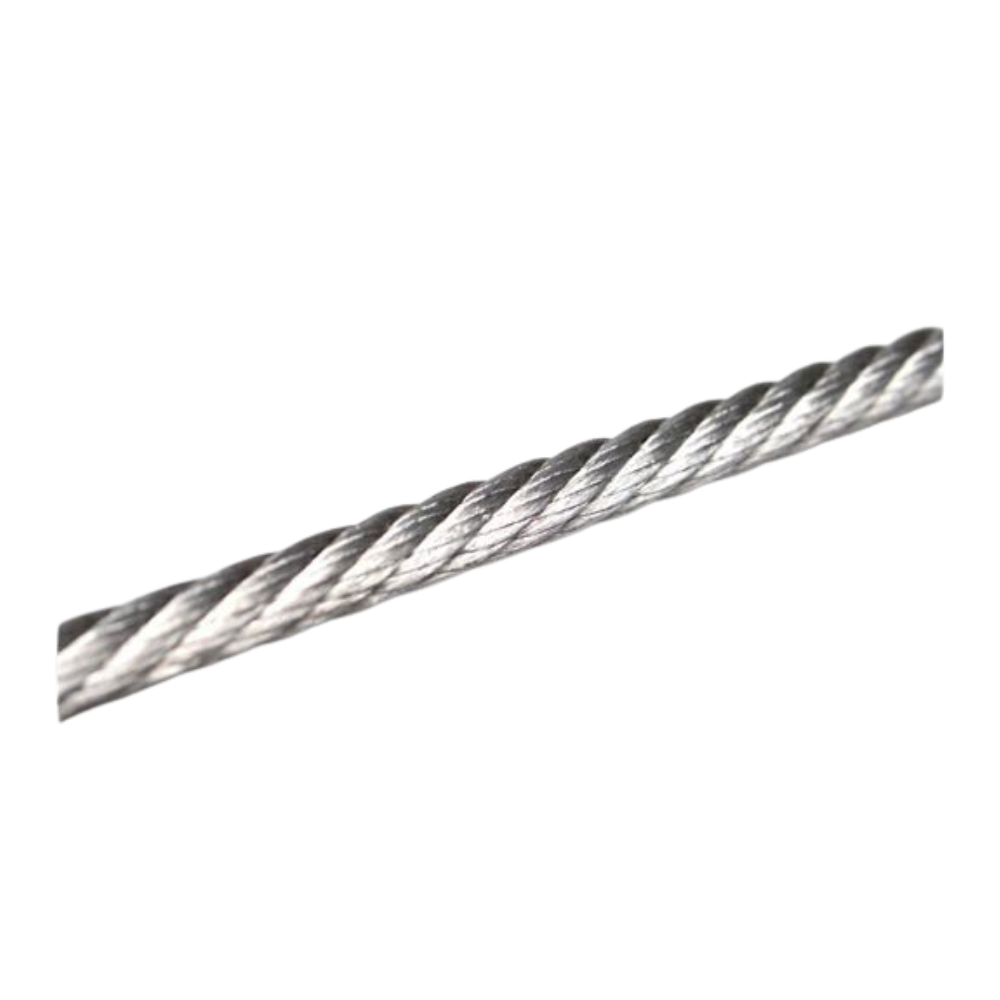
Heavy fabrication plants operate under extreme load conditions, handling oversized steel structures, pressure vessels, bridge components, and industrial modules. In these demanding environments, high-strength wire rope solutions are critical for ensuring lifting safety, load stability, and operational efficiency. Selecting the right wire rope construction, material grade, and maintenance strategy directly impacts productivity and long-term equipment reliability.
1. Operational Demands in Heavy Fabrication
Fabrication facilities typically involve:
- Overhead crane systems
- Gantry cranes for large structural assemblies
- Hoists for material transfer
- Coil handling and plate lifting systems
- Multi-point synchronized lifting
These applications require wire ropes that can withstand high static loads, dynamic shock loading, repetitive bending, and abrasive contact with drums and sheaves.
2. Key Characteristics of High-Strength Wire Rope
To perform reliably in fabrication plants, wire ropes must offer:
- High tensile strength for heavy load capacity
- Fatigue resistance under repeated bending cycles
- Abrasion resistance from drum and sheave contact
- Structural stability to maintain load distribution
- Corrosion resistance in humid or chemically exposed environments
Optimized rope construction improves safety margins and extends service intervals.
3. Wire Rope Construction Options
Different constructions serve different applications:
- 6×19 or 6×36 constructions for balanced flexibility and strength
- Compact strand ropes for higher metallic cross-section and improved strength
- Rotation-resistant ropes for tower cranes and multi-layer drum spooling
- Galvanized or coated ropes for corrosion-prone environments
Selecting the correct construction ensures better load distribution and reduced internal stress.
4. Load Capacity and Safety Factors
Heavy fabrication lifting systems must follow strict engineering standards:
- Apply appropriate safety factors based on load type and duty cycle
- Consider dynamic amplification during lifting and stopping
- Account for shock loads and uneven weight distribution
- Verify compatibility with crane drum and sheave diameters
Proper calculation prevents premature fatigue and catastrophic failure.
5. Surface Treatment and Protection
Surface protection enhances durability:
- Galvanization for corrosion resistance
- Plastic-coated ropes for additional abrasion protection
- Lubrication systems to reduce internal friction
- Regular cleaning to remove debris and metal particles
Well-maintained wire ropes maintain structural integrity longer.
6. Inspection and Preventive Maintenance
Routine inspection is essential in heavy fabrication plants:
- Check for broken wires and strand distortion
- Monitor diameter reduction and elongation
- Inspect for corrosion and lubrication condition
- Replace ropes before reaching discard criteria
Preventive maintenance significantly reduces downtime and safety risks.
7. Integration with Crane and Hoist Systems
Wire rope performance depends on system compatibility:
- Proper drum groove design
- Correct sheave alignment
- Balanced tension in multi-rope systems
- Smooth acceleration and braking controls
Engineering alignment between rope and lifting equipment ensures long-term reliability.
8. Benefits of Optimized Wire Rope Solutions
Implementing high-strength wire rope solutions provides:
- Increased load handling capacity
- Enhanced operational safety
- Reduced maintenance frequency
- Longer service life
- Improved lifting efficiency
For heavy fabrication plants, minimizing downtime directly improves production throughput.
Következtetés
High-strength wire rope solutions are fundamental to safe and efficient operations in heavy fabrication plants. By selecting appropriate rope construction, ensuring proper installation, and implementing regular inspection and maintenance programs, operators can maximize reliability and extend service life.
Engineered wire rope systems not only improve lifting performance but also safeguard personnel and high-value industrial assets.
 Hungarian
  English
  Korean
  Japanese
  Russian
  Arabic
  Spanish
  German
  French
  Italian
  Portuguese
  Chinese
  Dutch
Dutch  Polish
  Czech
Czech  Finnish
  Swedish
  Vietnamese
  Thai
Thai  Turkish