
Steel wire ropes are indispensable components in port crane operations, where they play a vital role in lifting, moving, and securing heavy cargo. Ports handle containers, bulk materials, and heavy equipment, requiring reliable, high-strength, and flexible lifting solutions. The combination of steel wire ropes and cranes ensures operational efficiency, safety, and long-term equipment durability. Understanding the applications, selection criteria, maintenance, and safety considerations is essential for operators, engineers, and port authorities.
Types of Cranes and Wire Rope Applications
Port cranes include gantry cranes, container cranes, mobile harbor cranes, and ship-to-shore cranes. Each crane type uses steel wire ropes in hoisting, trolleying, and slewing mechanisms. Hoist ropes lift cargo vertically, trolley ropes move loads horizontally along the crane span, and slewing ropes enable rotational movement of crane booms.
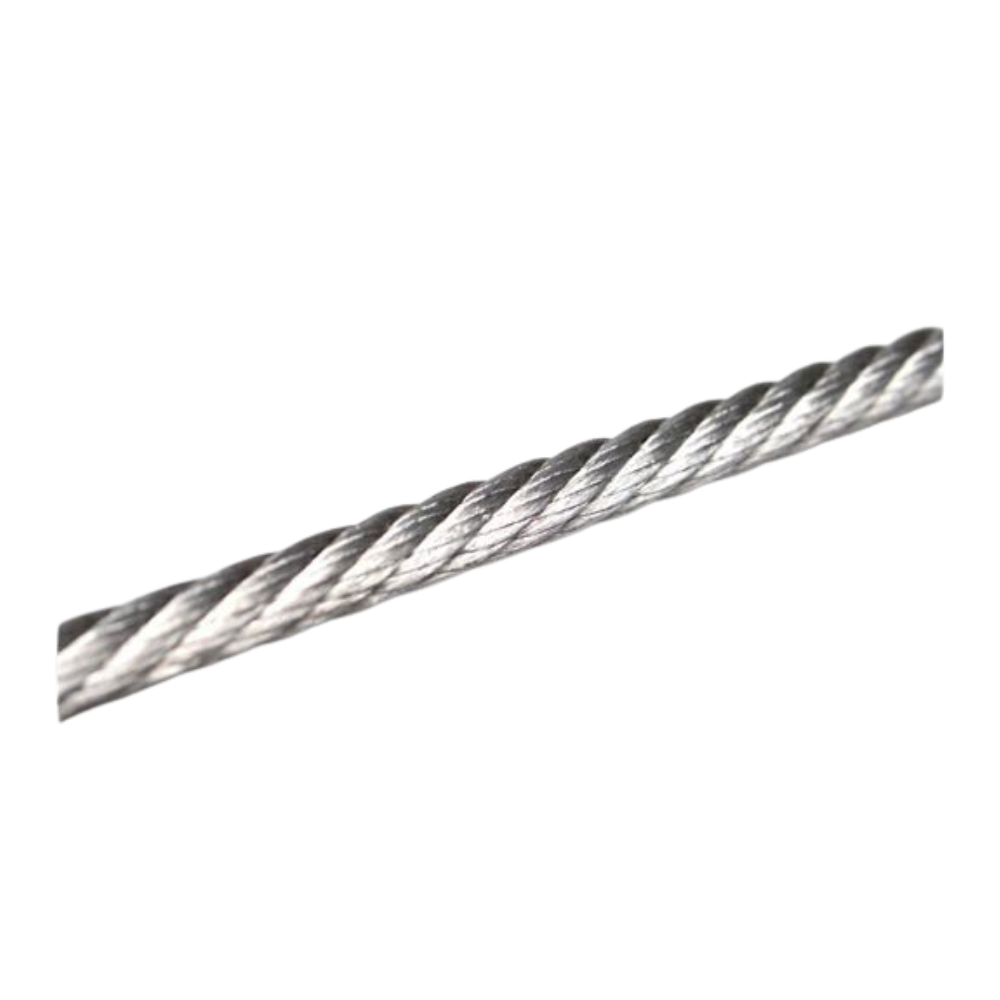
Wire ropes used in port cranes are typically multi-strand constructions such as 6×36 or 8×19, providing high fatigue resistance, flexibility, and wear resistance. For heavy-duty hoisting, high-strength galvanized steel ropes are commonly used, offering a balance of load capacity and corrosion protection. In marine or highly humid environments, stainless steel ropes may be selected to resist corrosion and extend service life.
Selection Criteria for Port Cranes
Choosing the appropriate wire rope for port cranes involves several factors:
- Kuormituskapasiteetti: The rope must exceed the maximum lifting load of the crane, including dynamic effects and shock loading.
- Flexibility: Ropes must bend over sheaves and drums without causing excessive fatigue or strand distortion.
- Environmental Resistance: Exposure to saltwater, humidity, and industrial pollutants necessitates corrosion-resistant materials or protective coatings.
- Wear and Abrasion Resistance: Contact with pulleys, hooks, and cargo edges requires ropes with high abrasion resistance to prevent premature wear.
Properly selected ropes ensure safety, reduce maintenance costs, and enhance operational efficiency.
Installation and Operation Best Practices
Correct installation and operation are critical for port crane performance. Ropes must be properly spooled on drums and sheaves, maintaining correct tension and alignment. Thimbles and end fittings protect the rope from crushing at attachment points, and swivel hooks prevent twisting during lifting.
During operation, operators should avoid side pulls, shock loading, and overloading. Load monitoring devices and safety limiters are often installed to prevent exceeding the rope’s working load limit. Multi-part reeving systems are used to distribute load evenly and reduce stress on individual ropes.
Maintenance and Inspection Strategies
Regular maintenance and inspection are essential for extending wire rope life and ensuring safety. Visual inspections detect broken wires, kinks, corrosion, and abrasion. Diameter measurements and rope lubrication schedules help maintain rope strength and flexibility. Advanced inspection techniques, such as magnetic flux or acoustic monitoring, can identify internal strand fatigue before visible damage occurs.
Maintenance should also include checks on pulleys, drums, and hooks to prevent uneven wear or misalignment. Documenting inspection results, usage hours, and load cycles aids in predictive maintenance and timely replacement of ropes nearing the end of their service life.
Case Example: Container Crane Operations
In container terminals, gantry cranes lift containers weighing 20–40 tons repeatedly throughout the day. High-strength galvanized steel ropes with a 6×36 construction are commonly used for hoisting mechanisms. Routine inspections, lubrication, and rotation of rope segments ensure even wear and extend service life. Operators follow strict safety protocols, including limiting loads to the crane’s rated capacity and monitoring rope condition daily. This approach has enabled terminals to achieve high operational efficiency while minimizing rope replacement frequency and preventing accidents.
Päätelmä
Steel wire ropes are critical to the safe and efficient operation of port cranes. Selecting the appropriate rope construction, material, and diameter, combined with proper installation, operation, and maintenance, ensures optimal performance in heavy-duty and corrosive environments. Case studies from container terminals demonstrate that adherence to best practices not only enhances safety but also reduces maintenance costs and operational downtime. By combining high-quality ropes, preventive maintenance, and trained personnel, port operators can maintain reliable lifting operations and protect valuable cargo and equipment.
 Finnish
  English
  Korean
  Japanese
  Russian
  Arabic
  Spanish
  German
  French
  Italian
  Portuguese
  Chinese
  Dutch
Dutch  Polish
  Czech
Czech  Hungarian
  Swedish
  Vietnamese
  Thai
Thai  Turkish